Former Bethesda Dev Nate Purkeypile Slams Starfield’s Repetitive Planet Content
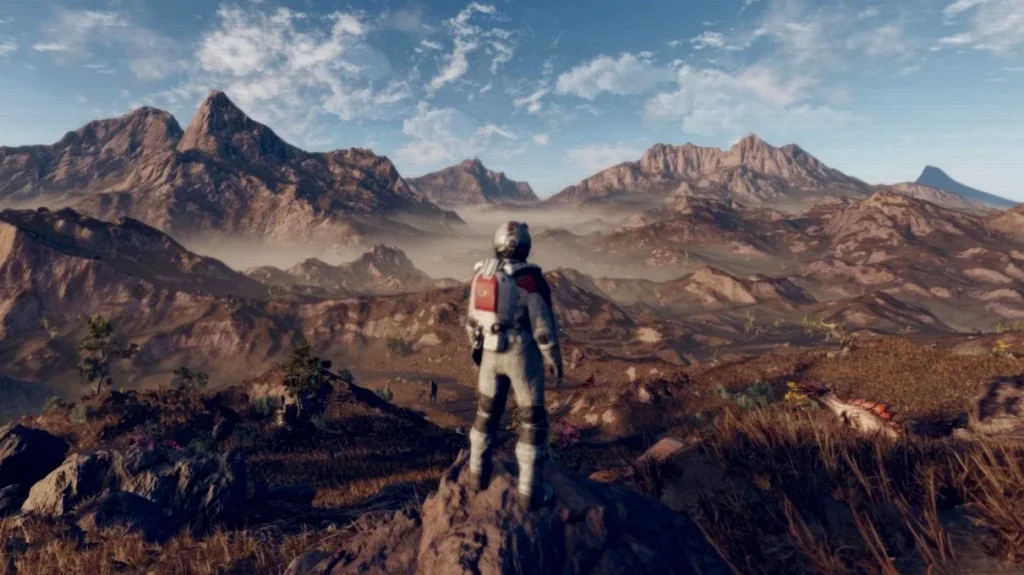
Former Bethesda developer Nate Purkeypile says Starfield’s biggest weakness isn’t just the usual “it’s not for everyone” debate—it’s the game’s approach to scale, where thousands of planets end up repeating similar hand-built dungeon content instead of delivering consistently unique locations.
Background
Purkeypile worked at Bethesda from 2007 to 2021. While he wasn’t part of the team at the time of Starfield’s launch, he remained connected to the project for a period. In a recent interview on The Examined Game YouTube channel, he discussed the team’s work and lessons from earlier Bethesda projects, and then turned to Starfield’s design decisions.
What Purkeypile criticized about Starfield
Purkeypile argues that the content available in Starfield doesn’t stand up well compared to expectations, and that the game’s planet design results in repetition—sometimes even when players are progressing through the main story.
- Fewer planets, more distinct content: If he were making the game, Purkeypile says he would reduce the number of planets while ensuring each one has standout content.
- Hand-built locations still beat repetition: He claims he would prepare a smaller set of planets with handcrafted areas, rather than relying on a large number of worlds that feel similar. He adds that even after release, while playing through the main quest, he encountered repeating locations that were part of the primary storyline.
- Mass Effect 1 as the comparison point: Purkeypile compares Starfield’s approach to the original Mass Effect, where many planets existed but most had content that felt too alike.
- Procedural generation would be the only real solution: He argues Starfield could have worked better if its worlds were generated procedurally in the way No Man’s Sky does—meaning the game creates unique content continuously, not merely rearranging the same building blocks.
- Time limits and non-procedural dungeons: Purkeypile says developers don’t have enough time to create thousands of dungeons, so duplication becomes inevitable. He emphasizes that Starfield’s dungeons are handcrafted and don’t function like true procedural generation.
- “Not procedural” in practice: He points out that he previously compared the situation to Mass Effect 1, where procedural planets could still lead to the same dungeon layouts. His conclusion: if you’re going to do thousands of planets, you need systems that generate genuinely unique content, not a setup that just combines repeated elements in different configurations.
Reaction to the idea of procedural content
Purkeypile stressed that he doesn’t consider Starfield a bad game—he simply doesn’t believe it’s exceptional. He also says he does not think the procedural-content approach was seriously considered during development, adding that he has a different view than others at Bethesda, who he believes felt the chosen model would work.
He further argues that what makes Bethesda games special is the way environments are arranged—especially the placement of distinctive locations and the sense of surprise that comes from avoiding repeatable content. In his view, Starfield’s world planning feels inconsistent: he describes a massive main city, but says that beyond it there’s “practically nothing,” which he says doesn’t make sense from an in-world credibility perspective and suggests the team ran out of resources or time to build more attractions.
What Bethesda has said about the future of Starfield
Despite the criticism and weaker reception, Bethesda is not abandoning Starfield. The game has been set to receive additional updates, and new content is planned for the following year.