
id Software Ex-Staff Slam Xbox Restructuring After Massive Layoffs, Claims AAA Risk
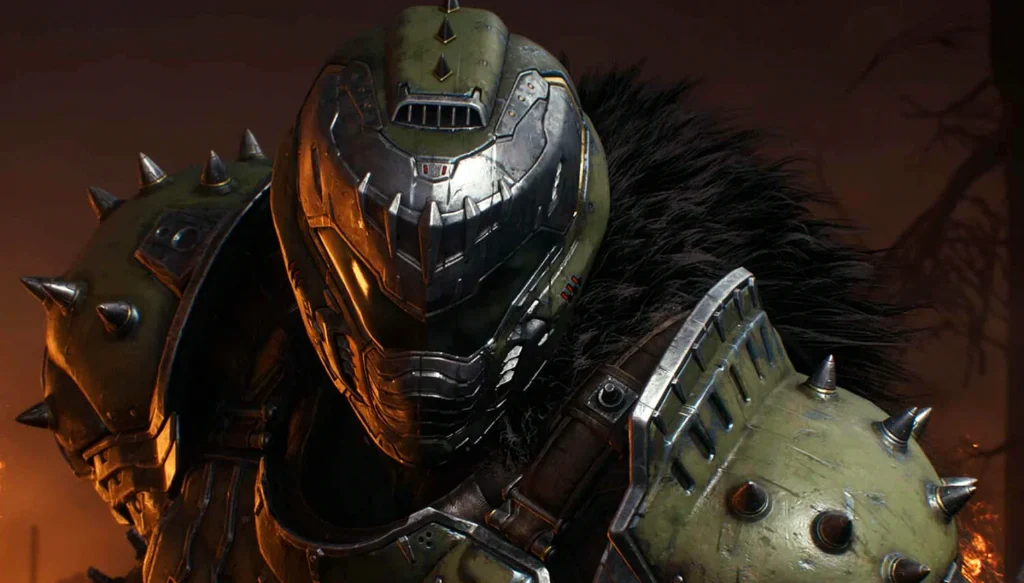
Microsofts Xbox leadership has triggered the biggest restructuring in the history of its gaming division, and former id Software staff say the studio is now operating at a fraction of its former capacity—undermining promises that it can keep delivering at the same AAA level. In comments shared via the Well-Played podcast, id’s Lead Services Programmer Chris Hays argues that the company’s reassurance efforts are both unrealistic and aimed at preventing further resignations.
Restructuring timing, staffing impact, and what’s next for id Software
| Item | Details |
|---|---|
| Restructuring start | Early July, under Xbox’s new head Asha Sharma |
| Jobs cut overall | About 3,200 roles worldwide (around 20% of Xbox’s workforce) |
| Impact on id Software | “Doom” team members were also laid off; specific totals weren’t provided |
| Claim about future work | id Software has already begun work on its next project (confirmed by Hugo Martin) |
The cuts were initiated at the start of July as Xbox sought to get its brand “back on track” under new leadership from Asha Sharma. The broader plan reportedly reduced headcount by roughly 3,200 positions globally, representing about one-fifth of the division’s workforce. id Software, part of Xbox through Bethesda, was among the studios affected.
Hays—described as a long-time member of the studio with more than 15 years there—characterized what remains of id as fundamentally changed. In his assessment, the leadership message that the studio is still the same id and will continue to deliver hasn’t matched the reality of losing large parts of teams and specialized departments needed to build major games.
He argued that producing an AAA game on the same scale as the studio’s past work is no longer feasible if only half the staff remains. Hays specifically pointed to the absence of entire departments and “specialized areas” that are required for the kind of development id is known for, saying that this makes such output “impossible” or effectively unworkable under current staffing.
“Not the same id” and concern about further departures
Beyond the workload implications, Hays said the leadership’s focus has shifted away from transparency and toward damage control. His view is that the reassurance messaging is intended to prevent more frustrated employees from leaving. He described a pattern of repeated phrases—internally and publicly—suggesting the studio’s size is now comparable to earlier eras (including references tied to the scale used around Doom 2016), and therefore another delivery should be possible.
Hays challenged that logic directly, saying it’s difficult to claim “everything is fine” or that id is “still close” to earlier team size when the reality is that the current workforce is smaller. In response to a point about Doom’s credits implying a higher number of contributors than today, he framed the “near” language as a concession that the staffing level is, in fact, reduced.
Criticism of Game Pass-linked sales expectations
Hays also criticized how Microsoft handles sales figures for Bethesda-connected releases. Since id Software titles land on Game Pass from day one, he argued that the idea of “poor sales” is being treated as if the company expects performance based on full-price unit purchases. In his view, that framing ignores how Game Pass changes purchasing behavior: if players have access through the subscription, fewer will buy units outright.
He said that when finance reporting refers to disappointing sales under Bethesda, id’s team members question what “sales” even means in a subscription-first model. He added that Xbox does not operate a business built on the sale of individual games in the way a traditional retail model would.
Promises of continued work meet internal pushback
While the studio has continued planning, and Hugo Martin, Director of Doom: The Dark Ages, recently confirmed that id Software has begun work on its next project, Hays’ statements—and those of other id employees—reportively contradict the reassurance that the layoffs haven’t meaningfully altered the studio’s situation.
For fans, the discussion lands with a particularly bitter note: Hays concluded that Microsoft and Xbox leadership do not understand how games are made and do not grasp what the studio-team structure contributes to success. He pointed to the restructuring and other studio sales as evidence of an approach that, in his view, disconnects the company from the craft of game development—leaving lingering uncertainty about how id Software’s reduced staffing will affect what it can deliver next.