MMO Motivation Debate Explores Intrinsic vs Extrinsic Grind Psychology
Motivation in MMOs isn’t just psychology—it shapes whether you play because you enjoy the content, or because the rewards keep pulling you back. A new discussion breaks down intrinsic versus extrinsic motivation and flags when reward-chasing turns into “I don’t want to do this, but I’m doing it anyway.”
Intrinsic vs. extrinsic motivation in MMO loops
The core idea is simple: intrinsic motivation comes from enjoying the activity itself, while extrinsic motivation comes from what you get afterward. In an MMO context, a typical example is running a dungeon or mission—doing it because you find the activity fun (intrinsic), versus doing it mainly for credits, experience, weekly rewards, or gear progression (extrinsic).
The discussion argues that neither type is automatically good or bad. Many games successfully blend both by offering challenge-based fun alongside tangible rewards. But over time, intrinsic rewards can lose their novelty: the first “space wizards” or high-stakes fights feel exciting, and later repetitions can fade into routine.
When extrinsic rewards take over—and why it becomes “insidious”
The warning comes when a player’s enjoyment disappears. The piece outlines a progression of mindset: early on, you run content because it’s satisfying and rewarding; later, you still play and enjoy it, even if the rewards matter more; but eventually some players end up in a third situation—actively not having fun, yet continuing purely for the next payout.
It describes this shift as “insidious” when game design maintains engagement even after intrinsic fun drops. The key claim is that some systems are built not only to keep players playing as intrinsic motivation weakens, but to avoid intrinsic motivation altogether—locking participation to external rewards rather than the activity.
It also emphasizes that this doesn’t always come solely from the game. Players can fall into ruts and keep grinding without noticing they’ve started to hate the chase. As a result, the player has to reassess why they’re playing in the first place.
Examples: MMO reward pressure across multiple games
The discussion points to several popular titles to illustrate different forms of extrinsic pull. In Star Wars: The Old Republic, a character-driven mission can be straightforward in the short term (take orders, gain experience and credits), but the broader question is why you’re still doing it beyond the immediate rewards.
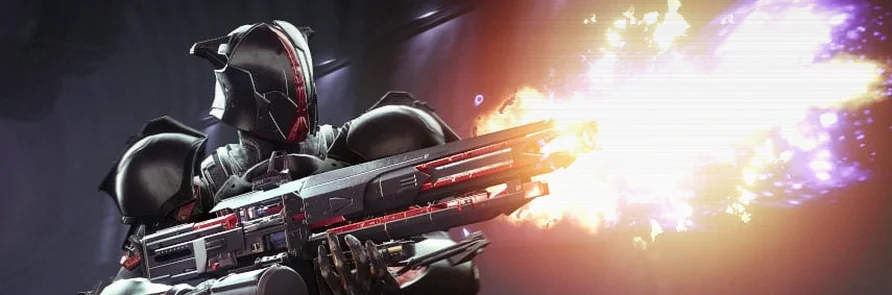
In Destiny 2, the example is repetition: early novelty fades, and the motivation can shift from enjoyment to checking boxes. The piece also references the genre’s “shooty-looty” structure—mentioning Destiny 2 and Anthem—as a setup where Weekly Rewards can become the main reason to keep playing, even when the shooting itself no longer feels fun.
In World of Warcraft, the example is long-term unlocking goals: the player wants new content (like Allied Races), so they grind reputations, complete world quests, run dungeons they don’t enjoy, and finish stories they don’t read—then return to repeat the process to chase the next unlock.
Finally, it notes that even when lootbox-style tactics are predatory, they’re reinforced by player habits—meaning the individual has to step back and evaluate whether the current motivation is rewards-first instead of activity-first.
What to watch next: a self-check for your grind
The takeaway is practical: players are encouraged to ask “why am I doing this?” and pay attention if the answer becomes only about rewards rather than enjoyment of the content in the moment. There’s no universal rule for when to stop, but the message is to notice the transition—when you’re no longer playing because you like the game, but because the game offers a reason to keep showing up.