FFA PvP Design Debate Highlights How Open PvP Can Shape MMO Experiences
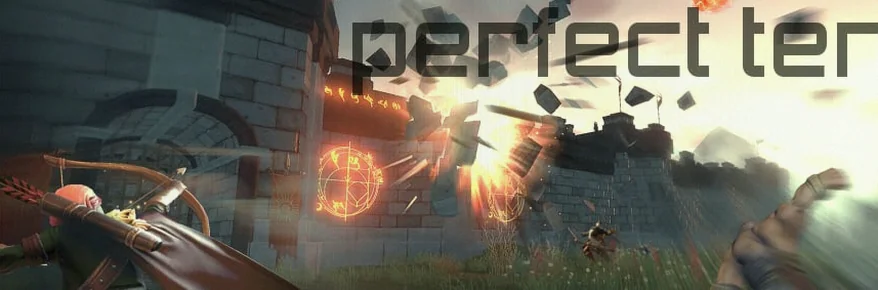
Open PvP in MMOs has a reputation for being disruptive, unfair, and socially punishing—but there are also clear design reasons many players like it. In a new discussion focused on free-for-all PvP, the argument isn’t that open PvP is “problem-free,” but that it offers a set of mechanical and social effects that can create genuinely distinct experiences when implemented as a choice.
Why open PvP appeals to players
The core claim is that open PvP changes the game by adding stakes and attention requirements beyond normal PvE dangers. Instead of only reacting to environmental hazards and scripted enemies, players must also account for other humans deciding to attack “just because.”
- Extra risk factor: The experience includes the possibility of being killed by another player, including scenarios where players are singled out due to personal friction or because they appear vulnerable—such as while gathering.
- Routine tasks become more engaging: Gathering and traveling through nodes can shift from “relaxing” to “alert,” since the area is never fully safe and players must remain attentive.
- More room for personal reputation: Open PvP can become a channel for player identity—whether that means being infamous for harming others or being known for helping them.
- Potential for shifting power: Even if top players exist, the possibility of being attacked creates conditions where dominance can change more often than it does in PvE setups.
- Emergent moments: The discussion includes an anecdote from World of Warcraft where two players in a free-for-all environment initially greeted each other and then returned to killing mobs—only to later team up briefly against a third party. The point: such outcomes require the option to fight and the choice not to.
- New gameplay layers: The example given is Albion Online, where zone rules tied to whether an area is open PvP can limit what you can do while also enabling different risk-based behaviors for resource acquisition and movement.
- Risk-versus-reward decisions: If gear loss isn’t a concern, players can default to wearing their best items. With open PvP, players may choose replaceable gear instead—or adjust playstyle to avoid becoming an easy target.
- More complex social behavior: When other players can be threats, communities develop signals and customs that shape how people approach each other under pressure. That uncertainty can create fast-growing, layered social structures.
- Design space still exists: The view expressed is that many “free-for-all PvP” implementations tend to copy older structures rather than explore what else is possible. The argument is that interesting design options remain.
- Opportunities to feel powerful: The piece also notes that open PvP can let players feel highly effective—not only by ganking weaker targets, but also through surprise reversals, including the idea of “bait” setups where would-be attackers get punished.
Examples cited from well-known MMOs
The discussion points to World of Warcraft’s free-for-all PvP context and a specific moment involving a Horde paladin and a dwarven shaman, later joined by a night elf conflict that turned into a brief, cooperative fight. It also references Albion Online’s open PvP zone dynamics, emphasizing that the game can create different practical options depending on whether open PvP is enabled in the area.
The takeaway: open PvP changes how players live in the world
Rather than framing open PvP as automatically “good,” the argument is that it can be a meaningful mechanical decision precisely because it produces distinct risk, behavior, and social dynamics. When players can choose whether to engage—and when the systems support more than one kind of interaction—open PvP can generate experiences that wouldn’t naturally happen in purely PvE or strictly instanced PvP environments.