
Spanish Home Hit With Power Cut-Outs After Off-Peak Contract Power Drop
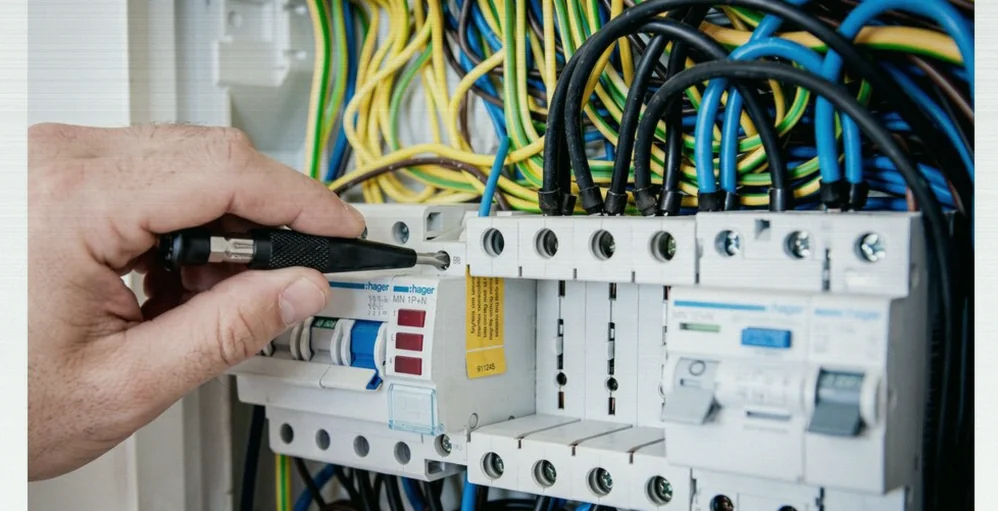
A case in Spain’s energy market has left a household dealing with repeated power cut-outs whenever the family tried to run their air conditioner—after a tariff setup that left the home with a contracted power limit that was 1,000 watts lower during off-peak hours.
What went wrong with the contract
Spain’s off-peak period is treated as the secondary tariff window for a large share of the year, including nights on weekdays as well as Saturdays, Sundays, and national public holidays. In this case, the electrician found that the customer’s contract specified a lower contracted power limit during that off-peak time—by 1,000 W compared with the main tariff period.
The imbalance meant the meter would immediately cut the supply on weekends as soon as the family switched on the air conditioner. Investigators highlighted that such mismatches often stem from aggressive telemarketing offers that promise savings by reducing the contracted power during off-peak hours, without making the impact clear to the customer.
Why the problem surfaced only after a meter swap
The household’s issue persisted unnoticed for years. The turning point came in May, when the grid operator replaced an older analog meter with a digital smart meter.
- The new smart meter includes a highly precise electronic power switch (ICP) that follows the shutdown behavior defined by standard UNE 20317.
- With the installation of the new device, the long-standing tolerance of the old meter ended.
- From that point on, once the home exceeded its off-peak limit, the supply was cut immediately—matching the timing of the weekend off-peak window.
To confirm the cause, the electrician asked to review the last electricity bill. The expert concluded the culprit was not a fault in the equipment, but the differing contracted power limits written into the contract.
Wider tariff mistakes—and the cost to fix them
Industry discussion around the Córdoba incident points to other high-impact contract errors. Electricians reported examples where providers allegedly entered 330 W instead of 3,300 W for off-peak power—leading to failures even when turning on basic halogen lamps.
Data from Spain’s regulator CNMC suggests these are not isolated misunderstandings. In its household study on contracted power, 63% of households were reported to pay for 1.11 kW too much during peak hours, while 67% were reported to keep an excess of 1.6 kW during off-peak times. Even though the law has allowed different contracted power levels by tariff period since 2021, only 2.5% of users were reported to have intentionally done so.
Correcting an error can also be expensive. If a customer increases the contracted power, they must pay network access and network extension fees for each additional kilowatt. The CNMC’s electricity-bill guide cites an additional connection fee of 9.04 euros plus VAT per required change. If the new requested level exceeds what was originally certified for the home, the customer must also pay for a new electrical report (CIE) prepared by an authorized installer.