Dicehit Sparks Outrage After Telling Players to Pirate Its Games Instead of Reselling Codes
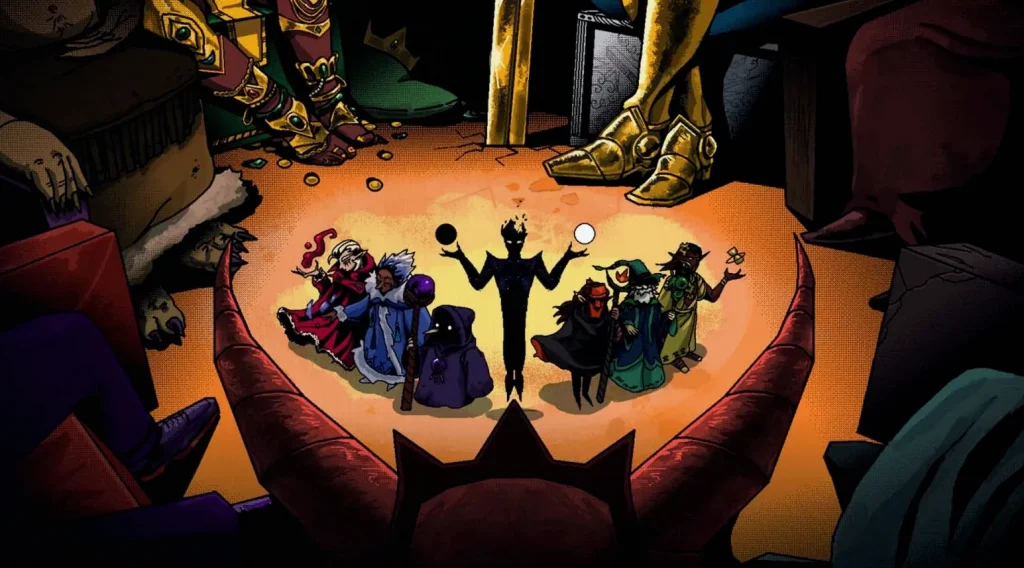
A new controversy has erupted involving dicehit games, a studio behind titles including Runeveil and Bug Cleaners, after the developer publicly criticized websites that resell game codes. In blunt terms, the studio suggested that if players find its games “too expensive” and plan to use a code reseller, they should instead pirate the game, while also claiming the keys appearing on those sites are not legitimate retail codes.
Release timing and availability: no patch, but the dispute points to resold keys and stock swings
The immediate trigger for the discussion was a report that the game ReStory: Chill Electronic Repairs had run out of stock twice and then returned to sale through “key shops” that are often promoted by influencers. That pattern—temporary availability followed by a renewed listing—has become part of the broader argument about where some codes originate and why players may see inconsistent supply on reseller platforms.
| Platform/Channel | Status | Date/window (from source) |
|---|---|---|
| Key reseller listings | Back in stock after two sell-outs | “This week” timeframe mentioned; exact dates not provided |
| Original developer distribution model (direct to creators/media) | Claims of how codes are issued | No specific dates provided |
dicehit games says it does not sell keys in bulk to the kind of sites that resell them to end users. Instead, the studio claims that any keys a player would find on third-party code marketplaces ultimately originated from dicehit games being sent to creators or media—intended to generate coverage, reviews, or content—not to be flipped for profit.
What dicehit games is claiming about code origins
In its public statements, the studio framed the issue as a difference between two models. It acknowledged that some developers do sell keys wholesale to third-party sites as a legitimate way to secure upfront funding, and that those resellers can then list keys for a margin.
However, dicehit games insists that it did not follow that approach. The studio’s position is that the keys showing up on certain code-selling websites are the same type of codes it provides to press and content creators, but which—according to the studio—end up being monetized elsewhere. The complaint is essentially that coverage-promotional keys are being diverted, rather than being used to produce the intended content.
Why the studio’s argument is controversial
The most explosive part of the message is the direct recommendation to pirate rather than buy from code reseller sites. The studio’s logic is aimed at discouraging purchases from platforms it believes are profiting from codes that were not meant for retail sale.
At the same time, the wider context in the discussion highlights a key uncertainty: not all code marketplaces are necessarily fed by the same sources. The broader debate described in the incident is that some sites may legitimately receive bulk keys from developers, while others may be relying on keys intended for outreach to media and creators. The source of a given key can be hard for players to verify from the outside.
Player impact and what remains unknown
For players, the practical impact is less about a gameplay change and more about where the game is obtained and why availability appears to fluctuate. If keys on certain sites are tied to diverted media/creator codes, that could explain why stock levels seem to appear, disappear, and return—sometimes after sell-outs.
What’s still unclear is how widespread dicehit games’ specific claims are across all reseller listings, and whether other sellers are using legitimate wholesale supply or diverted outreach codes. There is also no information in the source about enforcement actions, takedowns, or any formal changes to distribution agreements following the dispute.