Consumer Groups Sue Sony in Europe Over Plan to End Physical PS5 Discs in 2028
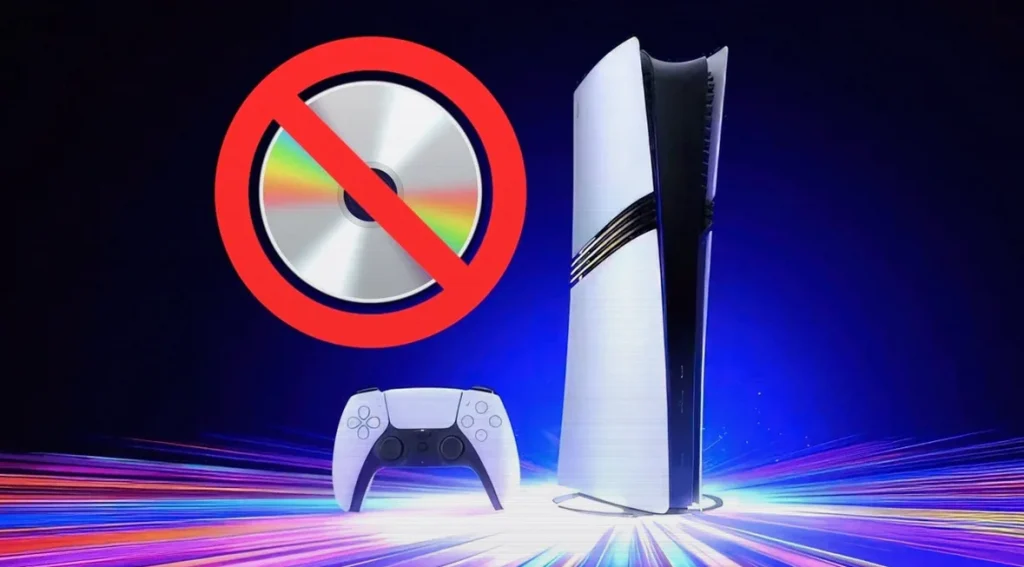
Sony’s plan to stop producing physical discs for new PlayStation games starting in January 2028 has triggered a legal backlash in Europe, with consumer groups arguing the move will eliminate real price competition and tighten Sony’s control over digital game sales.
A consumer advocacy coalition has now joined an ongoing case filed in the Netherlands, targeting what it says is an abuse of a dominant position and an “illegal” pricing approach in the PlayStation digital ecosystem.
Quick facts
- Sony will end physical disc production for new PlayStation games from January 2028.
- Consumer groups argue this makes the PlayStation Store the only meaningful sales channel, removing commercial competition.
- An ongoing Dutch legal action led by SM&C includes an additional player-focused organization: Stop Killing Games.
- SM&C claims PlayStation Store prices are on average up to 47% higher than physical retail, calling it a “Sony tax.”
- The case argues that removing discs also undermines the resale and borrowing/trading options that physical media enabled.
The decision, announced in early July 2026, has hit collectors and bargain hunters hardest because the disc format has historically provided an escape valve: buying a title at around €80 and then recovering some of that cost through resale shortly after release, or waiting months and years to find lower-priced copies in the physical market.
With physical media removed, that option disappears. The lawsuit also frames the change as a broader collapse of the “used game” ecosystem, including resale and informal sharing or swapping between friends.
Why the PlayStation Store monopoly is at the center of the case
On PlayStation, the argument goes beyond convenience and focuses on market structure. Without discs, the PlayStation Store becomes the sole entry point for new purchases, which would remove the kind of competitive pressure seen elsewhere in PC storefronts.
The comparison is stark: on PC, multiple storefronts and key resellers create ongoing pricing pressure and make discounts easier to find. On PS5, the case contends Sony retains full control over virtual storefront pricing, and the pattern seen early in physical launches—where big-box retailers can cut prices quickly—may not show up in the same way online.
Supporters of the lawsuit also raise an access issue in regions where the PlayStation Store is not officially available or where banking and territory restrictions apply. In those countries, physical imports were described as the only legal route to reach certain catalogs.
SM&C’s “Fair PlayStation” campaign and the pricing claim
The legal effort has been prepared since 2024 by Dutch consumer organization Massaschade & Consument (SM&C). Its campaign, “Fair PlayStation,” alleges Sony abuses a dominant position by effectively imposing a premium on digital purchases.
In explanatory material used as part of its procedure, SM&C argues that the PlayStation design channels players into buying digital games only through Sony’s store—and that when Sony stops selling physical discs in 2028, players will lose any alternative.
SM&C’s figures claim digital prices are substantially higher than physical retail. The organization states that players end up paying, on average, up to 47% more for PlayStation digital purchases, describing it as an illegal “tax.”
Stop Killing Games joins the Dutch proceedings
Stop Killing Games has decided to join the ongoing case in the Netherlands. The group was originally formed by Ross Scott after Ubisoft shut down the servers for The Crew, leaving purchased content unavailable.
By joining SM&C’s action alongside another collective, Does It Play?, Stop Killing Games is portrayed as widening its mission from preserving online game access to supporting broader digital ownership and consumer rights.
Representatives of the partner groups emphasize that SM&C must demonstrate it genuinely represents affected players, not merely claim to do so. They argue that the international backing from additional organizations strengthens SM&C’s position before the Dutch courts.
What the court could change
The case points to how console ecosystems are traditionally treated more like closed platforms than PC stores, with courts historically viewing competition as happening between consoles rather than inside a single platform’s storefront.
That legal context has mattered because console makers often price hardware at or near cost at launch, relying on software-related commissions later. So far, the courts have generally accepted the idea of inter-console competition as the relevant check.
Here, the argument is that removing physical discs eliminates the last economic counterweight that could limit Sony’s digital pricing power. If the Dutch judges find that this creates direct consumer harm by removing big-retail competition, the collective action could push for changes to Sony’s pricing practices or support a path toward alternative storefront options on console.