
Intel VP Says Raptor Lake and LGA1700 Will Stick Around for Years
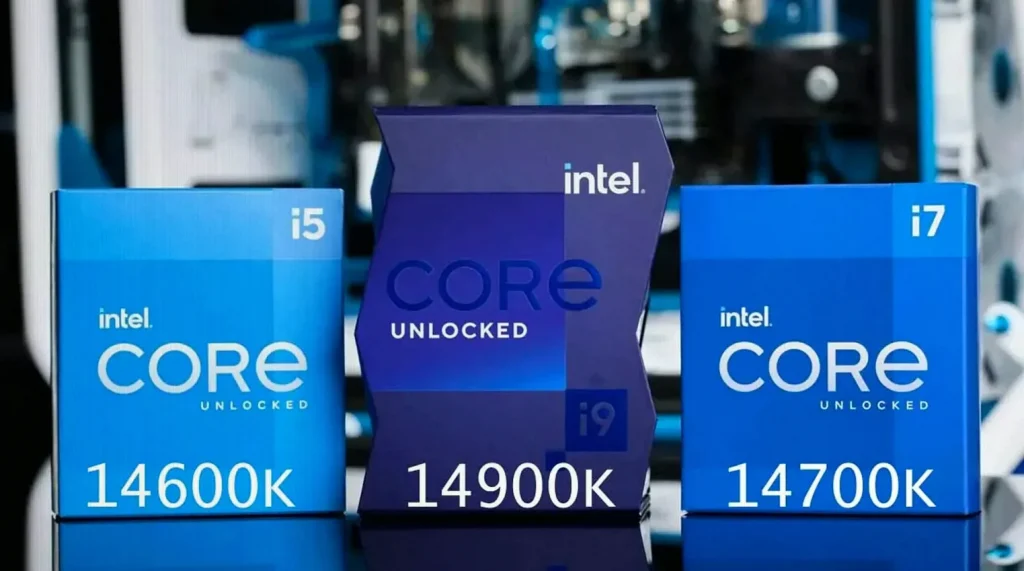
Intel says it won’t move on from its Raptor Lake chips or the LGA1700 platform in the near term, citing how a DDR5 memory price surge has pushed many buyers to stay on DDR4. In remarks from Intel vice president Robert Hallock, the company describes the current situation as more than a short-term supply hiccup—it’s a structural demand shift that has forced changes to its CPU roadmap and production planning.
Announcement: Intel will keep Raptor Lake and LGA1700 for DDR4 buyers
Robert Hallock told Tom’s Hardware that Intel is not planning to abandon Raptor Lake or the LGA1700 socket “in the short term.” He also framed the decision as structural rather than temporary, explaining that Intel’s inventory and wafer planning were originally built around a different market reality.
Intel’s stated intent is to maintain current production and expand inventory to keep supplying CPUs compatible with DDR4 on LGA1700.
What changed: DDR5 pricing pushed upgrades back to DDR4
- DDR5 memory prices reportedly jumped about 5x within a year.
- A 32 GB DDR5 kit that cost roughly $80–$120 by mid-2025 is now reported at about $375–$400.
- That increase disrupted the normal transition to DDR5, keeping many users on DDR4 platforms longer.
- Intel says LGA1700 CPU demand came later than expected, after the company had already planned wafer capacity for a different scenario.
Platform scope: which LGA1700 DDR4-compatible lineup Intel plans to keep
Intel’s expanded DDR4-friendly LGA1700 supply plan includes multiple Raptor Lake-family options:
- Current Raptor Lake models (13th and 14th gen).
- Raptor Lake Refresh.
- Raptor Lake Next, planned for 2027, expected to keep DDR4 support and described as the third iteration of the architecture.
Hallock also said Intel expects Raptor Lake to remain a core part of its portfolio “for years,” adding that LGA1700 is still a major platform and that there remains strong interest in DDR4.
Why Intel is leaning on older-gen: performance value, cost, and DDR5 uncertainty
Intel gave three reasons for continuing with “basic” Raptor Lake:
- Many users want strong performance without switching to DDR5.
- DDR4 is far cheaper than DDR5.
- Intel’s newer DDR5-compatible generations (Arrow Lake and Nova Lake) are reportedly more expensive and have not achieved the success Intel expected.
The company has also taken advantage of the Raptor Lake momentum by raising prices on current processors, which Hallock notes are now higher than at launch.
What comes next: ongoing Raptor Lake supply through at least Raptor Lake Next (2027)
For buyers planning upgrades, Intel’s message is clear: LGA1700 and DDR4 compatibility are not being treated as a short-lived stopgap. Intel says it will keep producing and stocking DDR4-capable CPUs while it continues the Raptor Lake line through Raptor Lake Next in 2027—positioning the platform as a long-running option while DDR5 pricing and adoption remain volatile.