Shuhei Yoshida Warns Sandfall Interactive to Avoid “Turn-Based RPG” Stigma for Clair Obscur
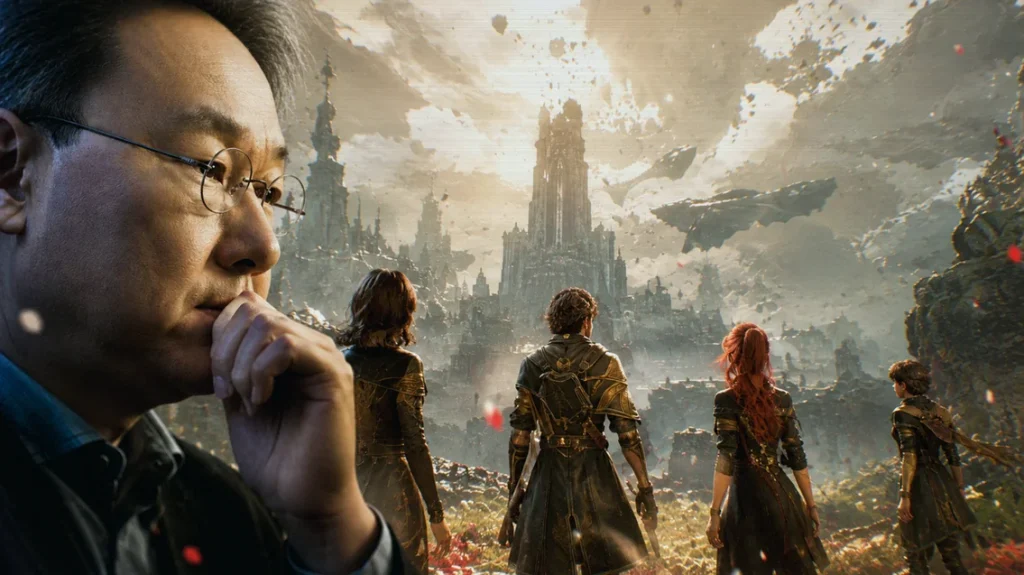
Before Clair Obscur: Expedition 33 even launched, one of PlayStation’s most recognizable former leaders warned the team about a problem that wasn’t gameplay—it was wording. Shuhei Yoshida said he advised Sandfall Interactive not to promote the project as a “turn-based RPG” because of the negative stigma that label carried with some players at the time. In the end, the developers leaned into a different phrasing—“reactive turn-based battles”—and the game’s eventual success helped shift how the industry and audiences view the genre.
Why Yoshida pushed back on the “turn-based RPG” label
The comments were shared by Shuhei Yoshida during the Busan Indie Connect Festival 2026 in South Korea, held from August 14 to 16. In a talk aimed at independent developers, he described acting as a consultant to publishers and working directly with Kepler Interactive, the publisher of Clair Obscur: Expedition 33. He said he saw an early demo roughly two years before the game’s commercial release and was impressed by the combat concept.
Yoshida’s interest centered on a hybrid approach that combines JRPG-style turn-based structure with real-time action. He noted the idea reminded him of The Legend of Dragoon, a title he himself had helped produce. But despite liking what he’d played, he believed the project’s chosen genre framing could become a barrier—because, at that point in time, Yoshida felt turn-based JRPGs still carried a reputation for being outdated among part of the audience.
His advice was straightforward: avoid presenting the game directly as a “turn-based RPG.” He argued that even before players had a chance to understand what made the combat system distinct, the “turn-based” label could cause some people to dismiss it. To reduce that risk, Sandfall Interactive ultimately used a different description, emphasizing “reactive turn-based battles” and spotlighting gameplay elements like dodging, parrying, and real-time actions.
How a marketing choice became a signal about combat design
The important part of Yoshida’s anecdote isn’t that the game avoided a specific phrase—it’s that it reflects an ongoing tension between genre expectations and actual systems. Clair Obscur: Expedition 33 offered something that didn’t fit neatly into a single box: turn-based JRPG mechanics paired with real-time combat behaviors. That mismatch is exactly what Yoshida was trying to prevent from being flattened by a single promotional term.
By steering communication away from “turn-based RPG,” the team focused attention on what players actually do in combat: maneuvering and reactions in the moment, not waiting through outdated conventions. The phrasing change—toward “reactive” battles—was designed to make the game’s identity legible to potential buyers who might otherwise have filtered it out on sight.
The turnaround: turn-based’s comeback after Expedition 33
Yoshida’s perspective on the outcome is that Clair Obscur: Expedition 33 didn’t just find an audience—it helped rehabilitate interest in turn-based combat across the market. He said that following the game’s success, publishers began receiving more proposals for RPGs using turn-based systems. In other words, what was once treated like a risky or less modern approach became an attractive direction again.
That reverses the original problem Yoshida described. If the market had once needed a genre to hide its label, then the success of a well-executed hybrid approach made the underlying mechanics easier for the industry to embrace openly.
What developers can take from the story
Yoshida framed the lesson as a warning to teams tempted to build marketing strategy around short-lived trends. He emphasized that when a project takes years to develop, the popularity of a trend—or the audience’s perception of a genre label—can shift by the time the game is ready to launch.
- Don’t let a single genre phrase block curious players before they learn what the game actually plays like.
- Genre reputations can change quickly; a label that feels “safe” or “dangerous” early in development may be outdated at release.
- When the mechanics are compelling, emphasizing the real gameplay loop (reactive actions, dodges, parries) can matter as much as the taxonomy.
- A successful release can influence what publishers consider viable for future projects, especially for combat styles that had fallen out of favor.
Clair Obscur: Expedition 33 shipped in April 2025, and Yoshida’s account suggests its impact went beyond one title—its performance helped change the broader conversation around turn-based combat and proved that innovation can come from revitalizing a classic framework, not only chasing temporary trends.