S.T.A.L.K.E.R. 2: Cost of Hope Expansion Adds New Regions and a Big Zone Turn
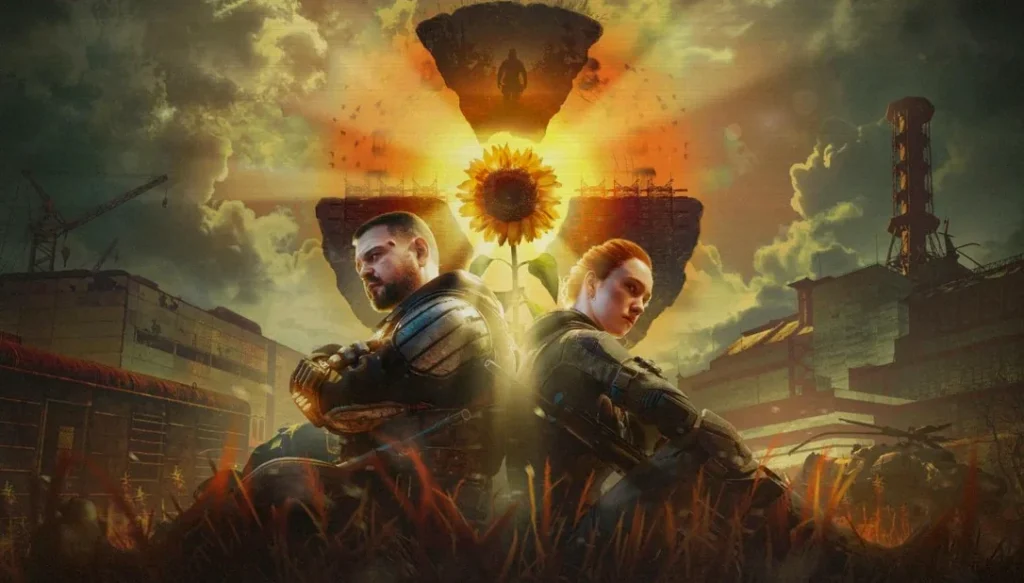
S.T.A.L.K.E.R. 2: Cost of Hope arrives as more than a typical expansion: it extends the story of the Zone with a major turning point between the series’ two central factions, Freedom and Duty, while also introducing a set of new regions and encounters. The release is paired with a free 2.0 update that targets performance and AI behavior, expands endgame activities, and adds several quality-of-life features—though some long-standing gameplay annoyances remain.
Key takeaways
- The expansion centers on a pivotal moment in the Freedom vs Duty conflict, with consequences expected to carry into future entries.
- Cost of Hope is integrated into the base game’s world: the map stays the same, and DLC missions unlock only after reaching a specific point in the main campaign.
- New areas include the Iron Forest, a larger explorable Chornobyl plant sequence, and the surreal Spatial Bubble level.
- A new mutant, the Amok, can be killed only by shooting it in the back and is encountered only a handful of times.
- The accompanying free 2.0 update brings better optimization, an updated A-Life simulation, revised AI, and more endgame activities.
- Some issues persist post-DLC and update, including reliance on medkits/bandages, constant food management, and frequent backtracking.
More than extra missions: a lore-critical faction climax
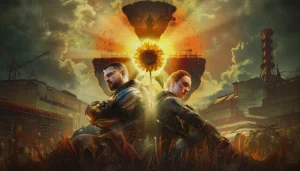
After completing S.T.A.L.K.E.R. 2: Cost of Hope, the expansion is framed less as “just more content” and more as a story beat that matters for the series’ ongoing conflict. It depicts what’s described as a top-tier moment in the struggle between Freedom and Duty, two of the Zone’s primary factions. The narrative is presented as important not only for what it adds now, but for how it may shape future expansions or sequels, especially since S.T.A.L.K.E.R. 2 is planned as a trilogy.
The expansion’s centerpiece location is also treated as a major thematic callback. The Chornobyl power plant, which was used for the ending sequence in the first game but has been absent from S.T.A.L.K.E.R. 2 so far, is included here as a long lived-in sequence with an explorable layout and a faction hub.
New regions, branching progress, and a set of distinct gameplay threats
Cost of Hope installs directly alongside the base game. Progress carries over, and the world map remains the same. DLC missions appear under a “DLC” tag in the player diary, but the content is gated behind reaching a certain point in the main campaign.
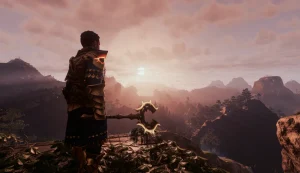
Access begins through a conversation with a non-player character that leads into what is described as a reconnaissance task. That mission unlocks a new region: the Iron Forest, a long stretch dominated by electrical transmission structures. There, the expansion introduces two key characters—Freedom Mavka and Duty Zulu—who collaborate while searching for the origin of a serious problem.
The expansion also adds a new creature: Amok. It’s described as a powerful mutant that can only be killed by shooting it in the back, and it appears only a small number of times during the broader quest line.
From an environmental standpoint, the expansion claims careful reconstruction. The Iron Forest is said to match the attention given to existing base-game locations, and other new spaces follow suit. Alongside the Chornobyl plant area, the Spatial Bubble is highlighted as one of the most intense and atmospheric levels in the package, featuring suspended staircases, rooms compared to the surreal imprisonment style popularized by Giovanni Battista Piranesi, and a consistently disturbing tone. This location is framed as a major plot turning point where Skif must commit to a side.
While the choice structure is described as consistent with the base game’s approach, it still matters to how the story unfolds. Players are said to effectively take one of two branches of the adventure, with differences in missions and narrative moments. The expansion is described as replayable if you want to see everything.
Enemies and level mechanics also vary by area rather than relying on visual changes alone. Examples given include:
- A laboratory encounter where players must avoid a strange mercury-like entity drawn to artifacts, which attempts to grab and pull the player using tentacles.
- A situation involving a room filled with explosives and overrun by mutant rats, where careful movement and disarming triggers are needed to create safe routes.
- More traditional set-piece combat, such as waiting beside a slow elevator while increasingly difficult waves arrive, including a pseudogigant.
Free Update 2.0: Unreal 5.5.4 performance, A-Life changes, and endgame additions
Cost of Hope comes with a separate, fully free 2.0 update released alongside the expansion. The update is described as heavily integrated, including improvements to the base game even for players who don’t engage with the DLC content.
Key changes described include improved optimization, supported by a move to Unreal Engine 5.5.4. The update doesn’t promise a visual overhaul, but it does target a more stable frame rate. The world is also said to feel more alive thanks to a new fog system, revised AI for both mutants and humans, and a range of additional tweaks layered on top of earlier updates.
Endgame activity is expanded beyond DLC missions. Players can reportedly hunt mutants for anatomical parts that can be sold for good prices. The update also adds three binoculars as additional gadgets to complement the night-vision device, and it increases tuning options for difficulty customization.
User experience improvements include interface updates and a new statistics page inside the PDA. There are also visual changes to mutants, with their appearances updated to reflect the habitat they come from.
Finally, the update revises the A-Life system to make Zone behavior feel more believable. The changes reportedly increase points of contact between humans and mutants to multiply conflicts—and therefore the number of resulting bodies.
Persistent friction: healing, food, and backtracking
Despite the positive overall picture, the expansion and update don’t remove some lingering concerns. The game continues to rely heavily on medkits and bandages during firefights, with the player’s situation described as worsening in intense moments. The same applies to constant hunger/food consumption, even when food is found in ways that would normally be questionable in real-world logic.
Some players may also notice the ongoing backtracking issue. Fast travel exists, but it’s not always usable and doesn’t cover the whole map, leading to repeated walking and returning through previously visited areas. As a partial improvement, the update reportedly allows sprinting beyond normal stamina consumption: once stamina is depleted, Skif slows slightly, but remains faster than pure walking.
These are described as structural problems unlikely to be fully resolved without major redesigns, so they’re expected to persist.
Bottom line
S.T.A.L.K.E.R. 2: Cost of Hope is presented as essential for fans because it delivers story material with major weight for the series’ future direction. It also adds multiple high-quality explorable spaces—including the Chornobyl plant, the Iron Forest, and the Spatial Bubble—while pairing smoothly with the base game’s existing structure. With Update 2.0 improving optimization, AI behavior, A-Life simulation, and endgame loops, there’s a clear incentive to return to the Zone whether you’re new or long-time players. However, the expansion doesn’t eliminate some recurring gameplay friction, so expectations should be set accordingly.