microSD Endurance Test Hits 133TB+ Written Data as 50% Fail After 3 Years
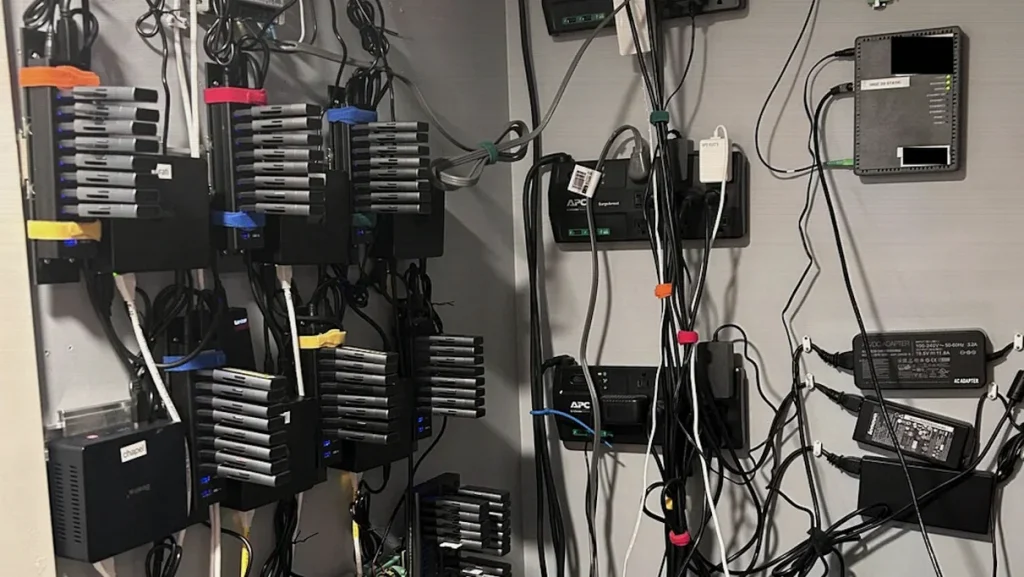
A tech enthusiast is running a multi-year “write endurance” endurance test to find out which microSD cards last the longest in real conditions—and the latest interim results are already sobering. After three years, the project has accumulated more than 133 petabytes of written data across 351 microSD cards from 52 brands, and roughly half of the tested cards have failed by the test’s strict criteria.
Three-year microSD endurance test reaches a new interim checkpoint
The privately funded test began in July 2023 and is now at its third-year milestone. In total, 351 microSD cards spanning 111 model series have been purchased for the ongoing experiment.
- 177 cards have already been tested until failure
- 107 cards are currently still running
- 67 cards have not yet started because they are waiting for a card reader
How a card “fails” in this test
The tester doesn’t wait for a completely dead card. A microSD card is considered failed if it can no longer be read reliably, or if at least half of its sectors show verification errors during the test process.
Across the cards tested so far, the experiment has already driven the media through more than 4.6 million combined write, verify, and erase cycles.
What the test actually does during each cycle
Each test pass is designed to catch both sudden and creeping degradation. The procedure includes:
- Filling the entire usable capacity with reproducible pseudo-random data.
- Reading the data back.
- Comparing the read results against what was written.
Before running the full endurance cycle, the tester also checks whether the card’s advertised capacity is truly present. So far, 35 examined cards have shown incorrect capacity reporting.
“High endurance” doesn’t automatically mean best results
For the consumer-focused models tested so far, the average endurance has been about 10,000 complete cycles. Some brands have performed better than others in this interim snapshot.
- PNY: 1 failure out of 10 tested cards
- Kingston: 3 failures out of 12 tested cards
- Delkin Devices, Lexar, and Samsung also placed strongly in the interim results
The results also include a notable outlier category: four Amazon Basics cards. After an average of 788 test days and about 16,600 cycles, all four were still operating at the interim checkpoint. However, the tester says these cards won’t be included in his main “best” list, because the supplier—and potentially the underlying flash/chip—could change without notice, making the results less transferable to cards currently being sold.
High Endurance cards show higher averages—but with uneven reliability
Cards marketed specifically for durability (“High Endurance”) averaged around 14,000 cycles in this dataset, roughly 40% higher than typical consumer models.
But failures are still common even within that segment:
- SanDisk High Endurance: 6 failures out of 7 tested cards
- SanDisk consumer models: only 5 out of 28 cards still working at the interim point
There is a clearer difference when moving to pricier industrial options. The more expensive industrial cards reportedly reached about 122,000 cycles on average so far.
This isn’t a lab-style comparison
The project’s results are presented as insights from a large, ongoing field-like experiment rather than a controlled laboratory benchmark. The tester notes several reasons direct comparisons are imperfect, including different computers and card readers, different Ubuntu versions, and differences in the software state used during testing.
Additionally, the number of samples, capacity, test runtime, and the source timing of purchased cards can vary significantly. That means small sample sizes—such as the seven High Endurance cards from SanDisk—can’t be used to make definitive brand-wide conclusions.
Ongoing project data is being published publicly
Because the test runs continuously over time, it’s also harder to interpret straight “failure rates” across models: some cards have been in testing for years, while others started much later.
Even with these limitations, the experiment provides an unusually detailed view into microSD durability. The tester has made the collected measurements available in a public database for ongoing review as more cards reach their failure points.