
Former Square Enix Exec Says Sony’s PS5 Digital Shift Could Cut Game Prices
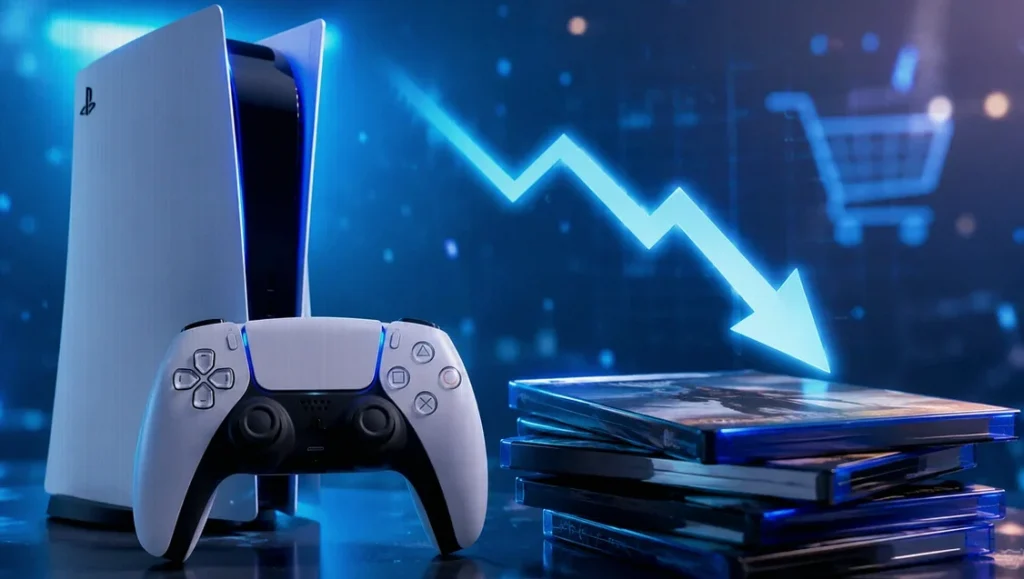
The gradual shift away from physical PlayStation game discs is already drawing heavy criticism from players, particularly around what it could mean for ownership and the future of the used-game market. But one former Square Enix executive argues the change could also open the door to a more positive outcome for players—at least in theory—by lowering the cost structure behind digital releases and potentially enabling cheaper prices on the PlayStation Store.
Jacob Navok, a former commercial development director at Square Enix, said that as physical games are phased out, the economics of selling PlayStation titles could change in ways that make price reductions possible. In a post on X, he suggested that removing the need for disc-based production could create the conditions for lower digital pricing. The argument is that publishers would no longer have to account for several requirements tied to in-store units, and could have more freedom to adjust pricing or run more frequent promotions on their digital editions.
Navok’s point is grounded in the costs that come with physical distribution. Each disc release involves manufacturing the disc and its packaging, printing artwork, shipping units to warehouses and retailers, storing stock, and paying multiple intermediaries involved in getting the product to store shelves. With digital delivery, those expenses disappear. An economic journalist, Stéphane Geneste, highlighted that digital distribution eliminates that full chain of costs and can deliver higher margins than physical sales—meaning some of those savings could, theoretically, be passed on to consumers.
Even so, the key caveat is that nothing automatically forces Sony or publishers to reduce prices just because their costs drop. Lower overhead could just as easily translate into higher profits rather than lower retail costs. At the same time, removing the disc also takes away a major lever players use today: the ability to shop across retailers and benefit from competition in physical pricing.
There is also a broader commercial imbalance that becomes more pronounced with full digital ownership. A digital purchase functions as a license to use the game, rather than a product that can be traded or lent like a disc. And Sony’s role becomes even more direct because it controls the commercial relationship through the PlayStation Store. That matters in a landscape where Sony has already faced accusations over the prices charged in its digital storefront, with some complainants arguing that the company benefits from monopoly-like power. In short, while moving away from discs could create the opportunity for some games to cost less, it does not guarantee that players will be the ones who see the benefit.