
iPhone 18 Pro and iPhone Fold Face Memory Shortage Risk, Analyst Warns
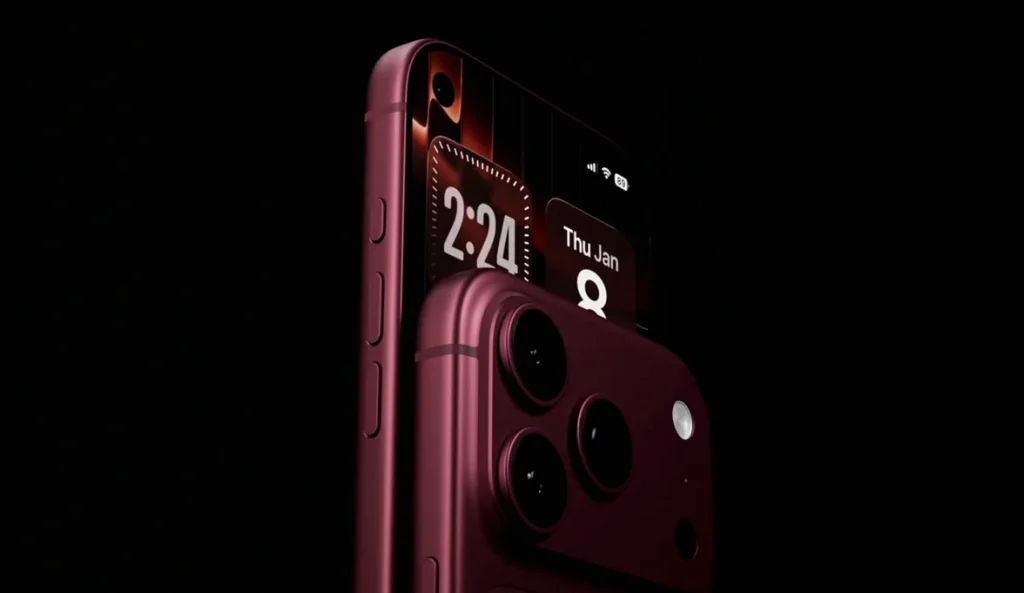
A chip and memory supply squeeze is starting to look like a launch problem for Apple’s next iPhone cycle, with one semiconductor analyst claiming the company is sitting on an unusually large pile of unfinished chips at TSMC—chips that are waiting on memory components. The concern is that the iPhone 18 Pro and the rumored iPhone “Fold” could sell out quickly when they arrive, as memory availability limits how many finished devices Apple can ship at launch.
Tim Culpan, a semiconductor analyst, says the root issue is not general chip capacity but a shortage of memory dice. In his assessment, Apple and its suppliers are struggling to obtain enough memory chips, and that tighter supply will flow through to a constrained iPhone offer—not just for one model, but for multiple upcoming releases including iPhone 18, iPhone 18 Pro, and the rumored iPhone “Fold.”
The timing and technical details matter because Apple’s next A20 Pro is said to depend on memory being ready at an early manufacturing stage. Culpan reports that Apple is sourcing memory dice beyond Micron, including SK Hynix and Samsung, to populate the A20 Pro chips used in the newer iPhone models with RAM. He also claims that, at TSMC, unfinished chips worth around $1 billion are currently sitting in production status while waiting for the memory components they require.
According to Culpan, the A20 Pro is Apple’s first chip made using TSMC’s N2 process. Importantly, the design is paired with WMCM packaging, a method where DRAM is integrated at the wafer level. That means the memory has to be present during packaging and cannot be added later if it arrives late—turning any memory shortage into a direct bottleneck for finishing the chips and getting devices built.
There are also signs that Apple may not be able to keep its entire iPhone 18 timeline intact. Reports suggest iPhone 18 will move to spring of the following year rather than launching as originally expected. It’s unclear whether that shift is directly tied to the memory constraints, especially because similar schedule rumors were already circulating earlier in 2025. One possible angle raised in the chatter is that Apple could reduce RAM usage on iPhone 18 to help fit the supply situation, while September is currently expected to bring only iPhone 18 Pro and the iPhone “Fold.”
The broader market context is already tense. Culpan’s outlook aligns with remarks from Tim Cook around the company’s latest quarterly results at the end of July, when he referenced “very significant restrictions,” implying limited flexibility in the supply chain. In recent weeks, those constraints have reportedly shown up in real purchasing terms: some products such as the MacBook Air have had multi-week lead times for preorders, while the Mac Studio lineup has removed larger memory configurations from sale entirely. Pricing has also been rising across much of the range, with an iPhone price increase expected to follow in September.
For the foldable specifically, the memory bottleneck could make the launch even more constrained. Industry analyst Ming-Chi Kuo previously said the iPhone “Fold” would start with low volumes, with Apple supposedly able to produce only about half a million to one million units by the end of September. Earlier coverage also pointed to potential delivery issues. Now, Culpan’s claim raises the possibility that iPhone 18 Pro could face similar speed-to-sellout pressure if the A20 Pro memory and packaging dependency keeps limiting how many devices can be finished in time.