World of Warcraft Player Shares Tips for Beating MMO Burnout
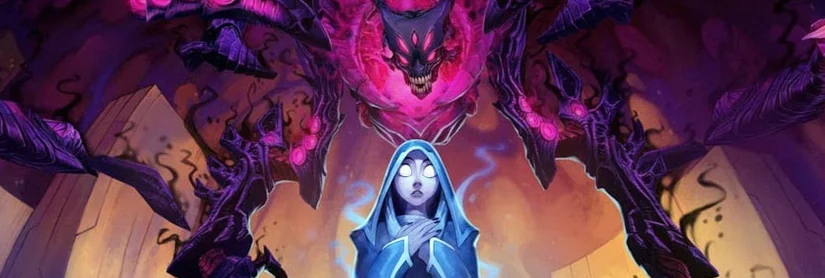
Burnout in MMORPGs doesn’t always arrive like a dramatic boss fight—it can sneak in after months or even years of steady play, until achievements feel empty and the grind stops being “progress” and starts feeling like a chore. One veteran MMO player describes hitting that wall during an extended run in World of Warcraft, then rebuilding their approach to gaming around pacing, choice, and break-glass options when a title stops feeling fun.
Quick facts: a player’s burnout playbook
At a glance
- The burnout moment described happened during a second stretch in World of Warcraft, after roughly a year and a half of continuous play.
- They were playing about 3–5 hours per day during that pre-family period, then abruptly lost interest.
- They responded by logging out, canceling their account, and taking several days off while figuring out what to do with free time.
- Their advice centers on pacing time, questioning whether activities are fun now or later, and trying different content or characters to avoid tunnel vision.
- They also recommend rotating multiple MMOs, staying connected to the broader community, and keeping a backup MMO ready.
- They argue multi-MMO guilds help players switch without abandoning friends, and “MMO vacations” can reset interest.
- When all else fails, they say it’s okay to walk away—without treating it like an obligation.
Pacing matters more than maximum playtime
The story begins with an extended daily routine: the player describes logging 3 to 5 hours of gameplay each day during a period before having children, cruising through The Burning Crusade content as their time in World of Warcraft continued. Then, seemingly “out of the blue,” they stopped feeling excited—turning achievements into something meaningless in minutes.
In their view, later life changes made the biggest difference. After marriage and kids, evenings stopped being guaranteed, and the limited windows of play made those sessions feel more valuable instead of endless. Their main takeaway is simple: just because someone can play for hours doesn’t mean they should.
Check the activity: will it be fun, or just consume your time?
The player points to MMO mechanics that can exploit behavioral patterns to keep people engaging long after enjoyment fades. To fight that, they use a constant self-audit: ask whether the thing you’re doing is fun right now—or at least will lead to fun.
If the answer is no, they recommend stopping. They also stress that there’s usually another activity available in-game; if not, the player suggests switching to a different MMO that prioritizes enjoyable play over grind.
Break tunnel vision with new characters, builds, and content
Burnout, in their case, also had a “single-track” cause. They describe getting tunnel vision by sticking to one character and repeating a narrow set of tasks for long stretches—like rerunning dungeons to complete a specific armor set—until the repetition becomes unbearable.
The fix is to deliberately change what you’re doing: reroll an alt, experiment with a different build, or explore parts of the game you’ve ignored. The goal is to prevent “factory work” routines where you only repeat a few functions and lose sight of the broader game.
Rotate your MMO “diet” instead of eating one title nonstop
Up until around 2009, the player says they focused on a single MMO at a time—even though they had more free time then than they do now. Later, they moved to a rotation of several games and described it as more satisfying, even if it meant slower progress toward raids and other endgame milestones.
The trade-off is variety: instead of leaning into one overeaten course, their “virtual buffet” approach spreads enjoyment across different MMOs. They also note that trials and more affordable entry options have reduced the barrier that previously kept players locked into one subscription-based title.
Stay in the wider MMO community—and keep options open
The player draws a line between two MMO types: those who treat one game as their entire world, and those who remain aware of the broader community even when they aren’t playing everything. Their argument is that the first group is more vulnerable when burnout strikes, because they have nowhere emotionally—or practically—to go.
To reduce that risk, they recommend reading about what’s happening across other MMO worlds and staying mentally prepared in case a change becomes necessary. They also advise having a backup MMO ready so burnout in one game doesn’t leave you stuck wanting MMORPG play but unsure where to turn.
Use social glue strategically: multi-MMO guilds
Another reason MMORPG players stay too long is attachment to friends and guildmates. The player says they’ve repeatedly heard people claim they’d leave a game if not for the people there—helpful for community strength, but painful when you’re ready to move on.
Their preventative solution is joining a multi-MMO guild with chapters across multiple games, including upcoming ones, and which supports members game-hopping. If your current guild is tied to only one title, they recommend discussing with leadership the possibility of starting or expanding a chapter elsewhere if you’re willing to help get it going.
Take real breaks and reassess what made you start
At intervals, the player describes stopping completely for days—sometimes while traveling, but also simply by choice. During these breaks they focus on other activities like reading, home projects, or spending time with family, and they may go without logging in at all.
They believe short “vacations” can recharge interest and help determine whether someone is truly addicted versus simply in a grind rut. They also frame the break as a “gut-check” to evaluate whether the MMO is still compelling enough to return to.
Finally, they recommend stepping back and revisiting why the title hooked you in the first place. They say they don’t start MMOs with excitement focused only on endgame raiding or gear grinds; what motivates them is often smaller things—class variety, details, and wonder while exploring. When leveling and advancement take over, they risk forgetting the original appeal, so they encourage nostalgia as a way to reconnect with that spark.
When burnout hits: walking away is allowed
The most direct advice comes at the end. If burnout pounces and you don’t enjoy the game anymore—after you’ve “mined all of the thrill”—the player says it’s completely okay to walk away. A game isn’t a job, obligation, or life-and-death matter.
They suggest packing up memories, saying goodbye to the people you’ve adventured with, and moving on. And if you return later, they expect the character will still be there—potentially with a healthier level of interest than the moment you hit the wall.