Xbox, Minecraft & OneDrive Account Recovery Under Fire as Microsoft Fixes Support
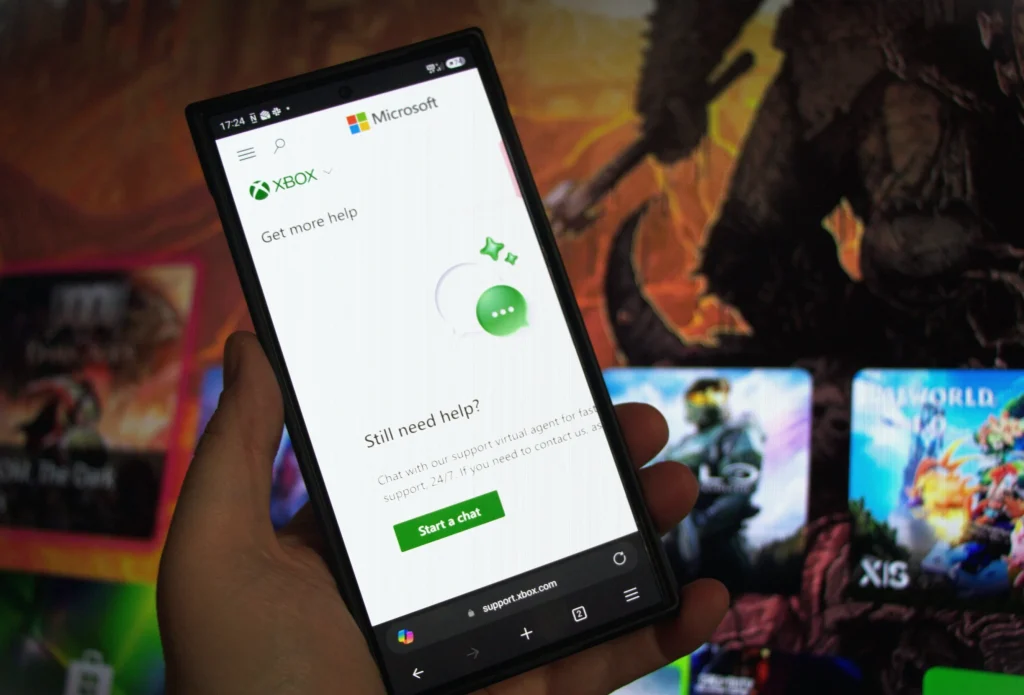
Accounts tied to Xbox, Minecraft, and OneDrive can be wiped or locked after suspected compromise—and when users contact Microsoft support, many report being sent into a maze of automated steps or being told to start over. The issue drew renewed attention this month after a creator managed to regain access only after going viral, prompting fresh scrutiny of how Microsoft handles account recovery, bans, and hacked access.
Users describe account loss across Xbox, Minecraft, and OneDrive
Multiple cases referenced in the reporting describe the same pattern: a Microsoft account is compromised or access is removed, the affected user loses their game library and cloud content, and support does not restore access despite acknowledging wrongdoing or an intrusion.
- One Xbox and Microsoft customer said they saw account access disappear, then discovered the Minecraft launcher showed a different email than the one they used. When they tried the correct email, it reportedly claimed the account did not exist.
- The same user described a “huge convoluted pain” when contacting support, including multiple chats, forms to prove ownership, and questions that they characterized as requiring unusually precise memory for older accounts. They said Microsoft did not try to verify ownership using billing records.
- In that case, Microsoft reportedly acknowledged a hack had occurred but told the user it could not (or would not) reverse the situation and advised creating a new account.
- Another content creator described losing access to nearly 20 years of digital purchases, achievements, save files, and OneDrive storage, including irreplaceable family photos and long-running music and studio material that could not be replaced.
- That creator said support again acknowledged a hack and still advised starting a new account and repurchasing Minecraft, offering no responsibility for the lost content.
- The reporting notes that similar situations have been seen by other users, including bans across Microsoft services based on vague “terms of service violations” without additional context.
What happened after the issue went public
The reporting says visibility changed outcomes: the creator who drew attention online eventually received help and regained access, while many others were described as not being so lucky. A separate account deletion story circulated as part of the wider investigation, in which a user claimed their Microsoft account and OneDrive were deleted even after Microsoft acknowledged ownership and that the account was compromised.
- A major creator reportedly regained access only after their situation went viral, despite Microsoft support having previously directed them toward replacing the account and rebuilding purchases.
- The reporting claims that as of the time of writing, dozens of comparable accounts have been described by people reaching out for help.
Microsoft’s response and internal review of support flows
Microsoft’s approach, as described in the reporting, relies heavily on automated and AI-driven support paths and on messaging via social platforms. It also claims the company is reviewing how it handles account recovery workflows for situations like these.
- Microsoft reportedly told people to use direct messages on X for next steps, with instructions to reply there so the company could continue from where support left off.
- The reporting also says Microsoft has been using AI and automation across services, with users getting routed through repetitive steps rather than receiving effective human assistance.
- Xbox sources cited in the reporting claim Microsoft is reviewing its support flow for account issues of this kind, though any new systems could take time to materialize.
- Those Xbox sources also included a quoted expectation that Microsoft wants to “honor” the trust of customers who invested time and money in a digital library and keep them connected to what they built.
Broader concerns: digital ownership, automation, and account security
The reporting frames the problem as bigger than individual support tickets. As more life and media moves to cloud services, the concern is that users can lose access with limited recourse—especially when AI systems misclassify content or when account compromises happen faster than support teams can investigate.
- The reporting argues that cloud-based content effectively means users do not fully control their digital ownership, and that Microsoft can remove access under its terms.
- It raises the possibility that automated enforcement could misinterpret legally stored media or even benign personal files as violations, with no mechanism to guarantee human review for complex cases.
- It also notes that account-hacking risks are likely to grow as AI increases the speed at which hostile actors can operate.
- The writer says they reached out to EU regulators and the UK Competition and Markets Authority to ask what might be done and planned updates if responses arrive.
- The reporting mentions that Microsoft is not alone in drawing attention to digital ownership and account recovery problems, pointing to broader industry scrutiny of how digital libraries are handled.
For affected players, the core takeaway is straightforward: losing a Microsoft account can mean losing years of purchases, saves, and irreplaceable cloud data—and the path to resolution may depend on whether the case becomes visible enough to force more direct attention.