Lenovo Starts Shipping Legion R9000P with Inkjet-Printed 240Hz OLED Panel
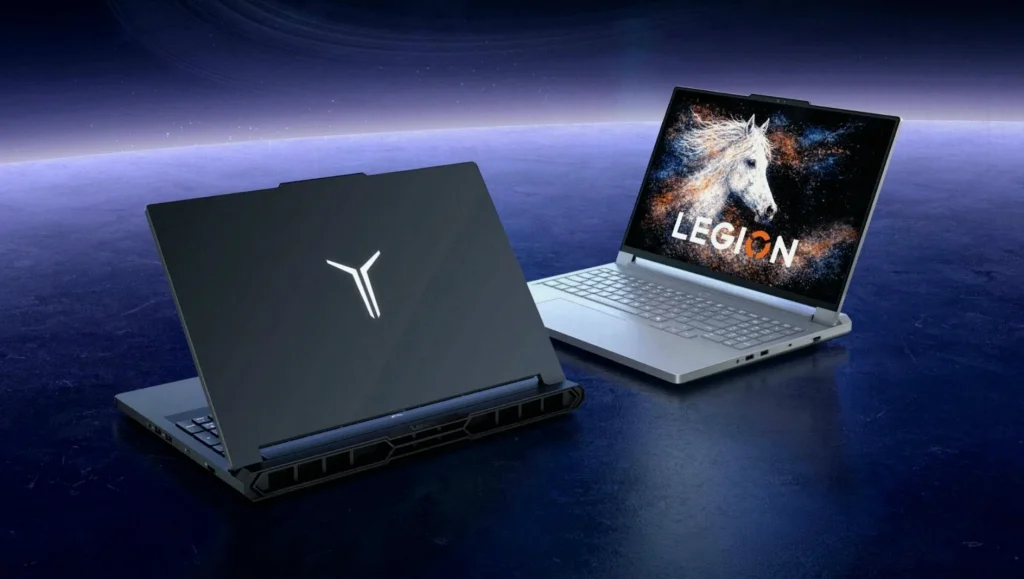
Lenovo has started shipping the Legion R9000P gaming laptop with a new “inkjet-printed” OLED display manufacturing method—positioning it as the world’s first such OLED panel approach in a gaming notebook. The headline-spec is a 240Hz OLED panel, but the bigger story for hardware buyers is how the screen is made and what that could mean for OLED pricing over time.
What makes the Legion R9000P’s OLED different
OLED displays have traditionally relied on vacuum thermal evaporation. In that process, OLED materials are deposited inside a vacuum chamber and then directed through a fine metal mask so the red, green, and blue subpixels land in the correct positions on the panel. The method is costly and can be wasteful, which helps explain why OLED laptops have generally carried premium price tags.
With inkjet-printed OLED, the core idea is to replace the evaporated-material deposition step with a liquid, solution-based method. Instead of evaporating OLED materials and patterning them through a metal mask, the materials are precisely positioned where needed via an inkjet-style printing approach. The source describes it as closer to “printing a picture” than spraying material over a cut-out.
Why Lenovo is using it now
The inkjet-printed OLED supply chain is tied to TCL CSOT’s development work. The company has been preparing for mass production, including starting up a Gen 5.5 production line in 2024.
Hardware analysts have estimated that this manufacturing route could reduce OLED notebook panel manufacturing costs by roughly 30% to 35%, which is significant for gaming laptops that rely on high-refresh OLED panels but have historically been priced above many competing displays.
Timeline and availability
- The Lenovo Legion R9000P reached market “last week,” bringing an OLED gaming notebook with a 240Hz panel to customers.
- The laptop is described as the world’s first gaming notebook to use an inkjet-printed OLED display manufacturing process.
- For now, the Legion R9000P is reported to be largely limited to the Chinese market, with the expectation that Lenovo may bring similar technology to other regions through the Legion 5 Pro line.
- The same manufacturer push toward lower OLED costs follows earlier efforts to make OLED gaming laptops more affordable; the Legion 5 Gen 10 was cited as being notably inexpensive for an OLED model despite glare issues.
What to take away as a buyer
If inkjet-printed OLED production delivers the projected cost reductions, future OLED gaming laptops could arrive at lower prices without sacrificing the high-refresh OLED experience. For now, Lenovo’s Legion R9000P is the first concrete gaming-laptop example of the manufacturing shift, pairing the new process with a 240Hz OLED panel.