Shigeru Miyamoto Pitches Global “Personal ID” Miis for Digital Identity Systems
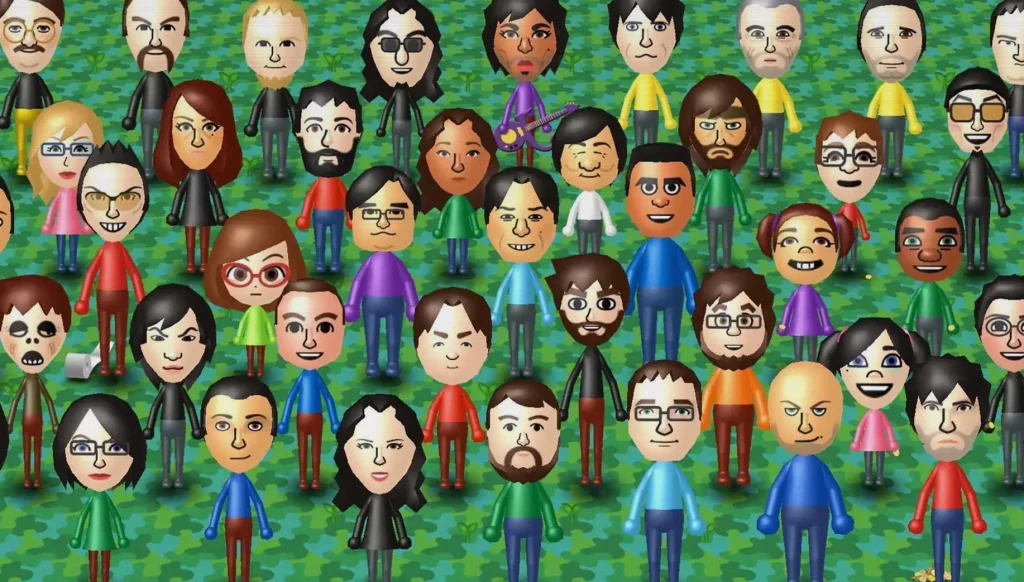
Nintendo legend Shigeru Miyamoto says he wants to see “personal IDs” expanded worldwide using Mii-style characters, imagining a future where your digital identity could be represented by a compact, memory-light avatar tied to everyday identification systems. While he frames it as a personal dream rather than an announced feature, his comments highlight why Miis are engineered to be extremely small—and why that efficiency could make large-scale identity projects feasible.
Why Miyamoto thinks Miis could power future identity systems
Miyamoto’s idea centers on the fact that Miis are built to be lightweight. He contrasts typical avatars—often requiring several megabytes—with Miis, which he says are made up of only a few hundred bytes. In his telling, this design goal traces back to early technical constraints, including the desire to fit dozens of people into the limited memory of a Wii controller. The payoff, he argues, is that even if the number of Miis grew to hundreds of millions, they would still remain manageable within very small memory budgets.
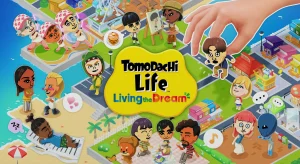
He also points to the way Miis are used across regions. Miyamoto specifically notes that Western players have put significant effort into creating Miis that reflect Western faces, adding that he’s glad they aren’t restricted by assumptions about who Miis are “supposed” to resemble.
From Japan’s identification norms to a potential global shift
Miyamoto’s proposal is partly grounded in the reality that Japan’s identification requirements are not uniform for everyone. He notes that carrying physical identification such as a Residence Card or passport is strictly mandatory for foreign residents and tourists, but not for Japanese nationals. His dream, as he describes it, is to broaden the concept of personal IDs beyond Japan—potentially worldwide—by using Miis as the human-facing visual layer.
Linking Miis to Nintendo Accounts: a scale problem—and a scale opportunity
A key part of Miyamoto’s vision is expanding how Miis are used. He suggests it would be interesting if Mii-based identity weren’t limited to a single Nintendo app or service, and instead could be connected to Nintendo Accounts. In his framing, that would allow Miis to be collected and used at massive scale—potentially reaching hundreds of millions—making the concept of identity-linked Miis more realistic.
Key takeaways
- Miyamoto imagines personal IDs using Mii characters on a global scale, but presents it as a personal dream rather than a confirmed plan.
- Miis are designed to be extremely compact—only a few hundred bytes—unlike many avatar systems that can take several megabytes.
- The compact design is tied to earlier hardware and storage constraints, including the need to fit multiple users into limited memory.
- He suggests Miis could be linked with Nintendo Accounts so Mii creation and collection can scale broadly across regions.
- He references Japan’s identification rules to explain why a “personal ID” concept could be evaluated differently depending on local requirements.
What this could mean for players, even without an announcement
Even without a product timeline, Miyamoto’s remarks underline a practical reason Miis have lasted: they’re built for scale. If Nintendo ever pursues identity features that rely on lightweight character data, Miis are already an established format—one that can represent individuals without heavy storage costs.
For players, the immediate takeaway is that Miis aren’t just a quirky avatar feature; Miyamoto argues they’re engineered for a kind of large-scale future where identity and personalization could be linked without demanding massive data overhead. Whether that ultimately reaches “personal ID” systems worldwide remains uncertain—but the underlying technical logic he cites is clear.