
Shigeru Miyamoto Says Nintendo Switch Proves Specs Don’t Drive Game Demand
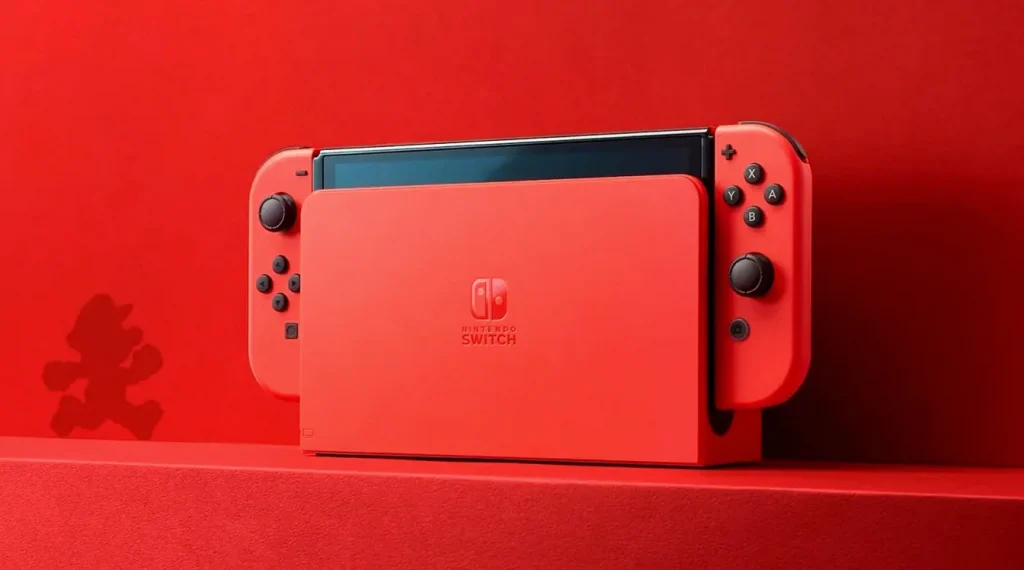
Shigeru Miyamoto says the center of modern game demand is shifting away from raw hardware specs and toward whether players can actually run the games they want on the devices they already own—an outlook he points to through Nintendo Switch’s unusually long market life.
Why Miyamoto thinks specs aren’t the whole story
In an extensive interview with Famitsu, Nintendo’s legendary developer argued that customers are no longer primarily judging games by graphics or technical figures. Instead, he said the “ideal” is simple: buy the software and be able to play it on the device you already have at home.
He also highlighted the original Nintendo Switch as proof that this approach can outlast faster-moving hardware cycles. In his view, the Switch lasting roughly 8 to 9 years despite aging visuals and performance suggests that players value broader playability and sustained access over short-term technical benchmarks.
The “play it on what you own” standard
Miyamoto connected the trend to everyday device reality—particularly smartphones, which he described as “everywhere.” His point was not that smartphones are inherently better for game development, but that they represent a world where people expect games to fit the hardware they already carry and use.
That expectation changes how game platforms are judged. For players, it means less friction between buying a title and actually being able to play it immediately. For developers, it pushes platform strategy toward consistent compatibility and repeatable support rather than chasing maximum graphical targets each generation.
Nintendo’s platform advantage: one architecture and fast response
Miyamoto said Nintendo’s long-running approach focuses on delivering gameplay “only we can create,” explicitly including the interface. He argued that, compared with smartphones, Nintendo’s setup offers advantages such as quicker response and a high degree of freedom because it relies on one architecture and support for a single hardware piece.
In contrast, he warned that when developers build for a general-purpose device, they must support multiple versions. That increases the total work required, which can slow development and complicate planning.
Development efficiency and the platform strategy behind it
Miyamoto framed these platform choices as a way to keep development efficient. He said the goal is to make a living with “minimal effort”—half as a joke, but with a serious emphasis underneath: reducing workload where possible improves development effectiveness.
That efficiency claim ties back to his earlier argument about player expectations. If the “right” outcome for gamers is simple access—software that runs on what they already have—then platform decisions that reduce fragmentation and support overhead become part of delivering that promise.
- Miyamoto believes players are no longer focused only on hardware specs.
- He argues the practical ideal is: buy software and play it on the home device you already own.
- He cites the original Nintendo Switch lasting about 8–9 years as evidence that aging visuals/performance don’t automatically kill demand.
- He says Nintendo’s advantage includes unique interfaces, quick response, and a single-hardware approach built on one architecture.
- He warns that general-purpose devices require supporting many versions, increasing development workload.