Noctua Measures 100+ PC Cases Themselves to Verify CPU Cooler Clearance
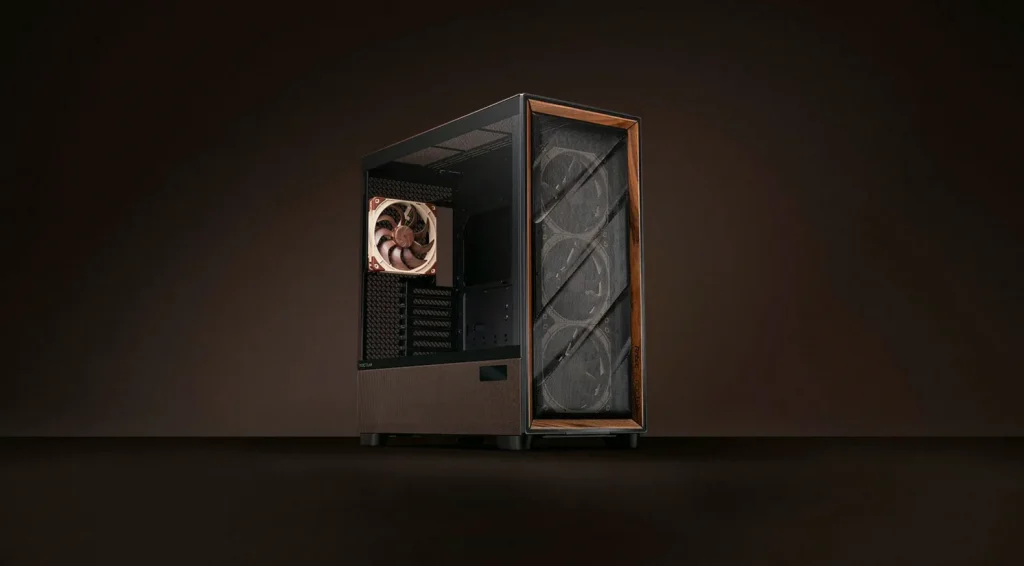
Noctua says it can’t always trust the CPU cooler clearance numbers listed by PC case manufacturers, so it has started measuring more than 100 PC cases itself to reduce real-world compatibility issues—especially for large air coolers that can miss by just a few millimeters.
Why PC case cooler heights don’t always match reality
When a PC case lists a maximum CPU cooler height (for example, “up to 170 mm”), buyers typically assume any cooler below that figure will fit. Noctua found that this isn’t consistently true once the system is fully assembled.
The company points to multiple factors that can shift the actual clearance available for the cooler, including motherboard placement, the thickness of the side panel (including glass), tempered glass fitment, and manufacturing tolerances. In some builds that means less space than advertised; in fewer cases, there may be more.
This is most likely to affect bigger air coolers—particularly large dual-tower models designed to deliver high performance without liquid cooling. For these coolers, the difference between fitting and not fitting can come down to only a few millimeters, and a wrong clearance expectation can result in a case that won’t close properly.
Noctua’s new approach: measure cases directly
Instead of relying solely on case specifications, Noctua has been performing its own physical measurements. The effort involves reviewing and measuring more than 100 PC cases to build a more realistic compatibility database and to make cooler recommendations more reliable.
Noctua’s stated goal is to account for worst-case scenarios, expanding practical safety margins so that, even when the assembled system is at the tightest end of tolerances, the cooler still has a better chance of fitting alongside the rest of the components.
- Noctua measured more than 100 PC cases itself
- The focus is more on large air coolers where clearance margins are tight
- The outcome is an additional compatibility check before recommending a specific cooler
What it means for buyers and what to watch next
Noctua says this change should not significantly disrupt end users, but it adds an extra layer of assurance. Rather than hoping everything fits based on a case’s published spec, the recommendation process includes an additional verification step intended to prevent “doesn’t fit” purchases.
For now, the biggest practical takeaway is that if you’re shopping for a taller dual-tower heatsink and you’re using a mainstream case clearance number as your only check, you may want to rely on Noctua’s compatibility guidance going forward—because that’s where the new measurements are meant to show up first.