Tebas Rules Out LALIGA Action Against Barcelona Over Negreira Case
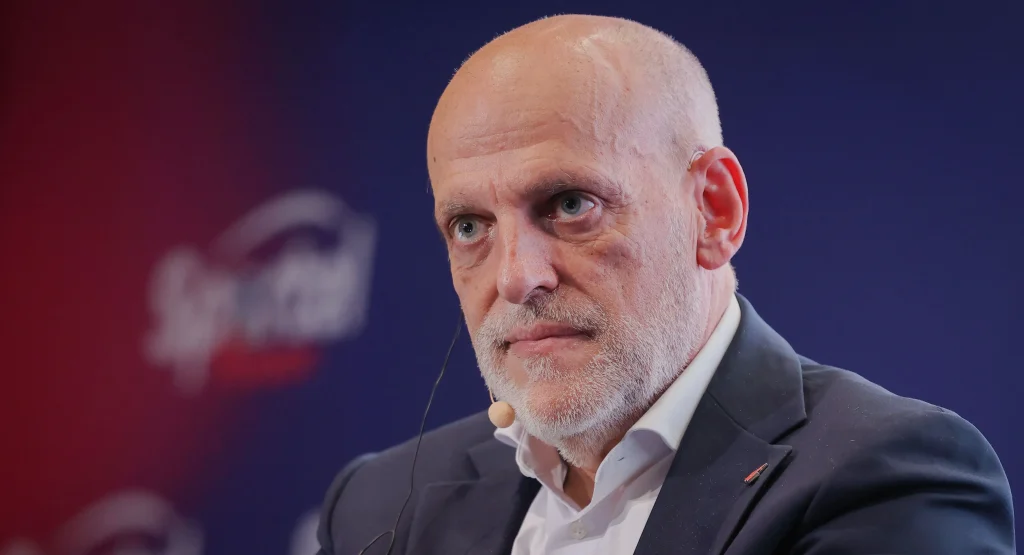
Javier Tebas has ruled out unilateral LALIGA action against Barcelona while the Negreira case remains before the Spanish courts, insisting the investigation must run its full legal course.
The LALIGA president said the allegations linked to former refereeing official Jose Maria Enriquez Negreira remain extremely serious, but rejected claims that the case proves refereeing corruption is still operating in Spain in 2026.
Tebas rejects current-corruption narrative
- Tebas reaffirmed that the payments connected to Negreira require a complete investigation, describing the underlying events as serious.
- He drew a clear distinction between alleged conduct from previous years and assertions that Negreira continues to influence Spanish officials today.
- The league chief branded that present-day narrative unacceptable and said repeated broadcasts by Real Madrid TV do not make it accurate.
Real Madrid’s club television channel has repeatedly aired content challenging the impartiality of Spanish referees. Tebas believes those programmes are promoting a misleading message that harms the competition as a whole.
He said the dispute between Spanish football’s biggest clubs should not be used to spread claims which, in his view, have no basis in the current situation.
Courts to determine Barcelona case
The criminal process will examine whether payments involving Barcelona and Negreira affected referee promotion and relegation decisions.
Tebas said that decision belongs to the judiciary, not to LALIGA. He argued that the league cannot replace the courts by delivering its own verdict or imposing punishment before a legal ruling has been made.
- Spanish judges will continue to review the evidence in the Negreira investigation.
- The case will proceed through the legal system in the coming months.
- LALIGA will not move independently against Barcelona or its current leadership before that process is concluded.
What happens next is in the hands of the Spanish courts, with Tebas maintaining that any potential sporting or institutional consequences must follow, rather than precede, the judicial outcome.