Why GTA: San Andreas’ Original Hype Can’t Be Recreated Today
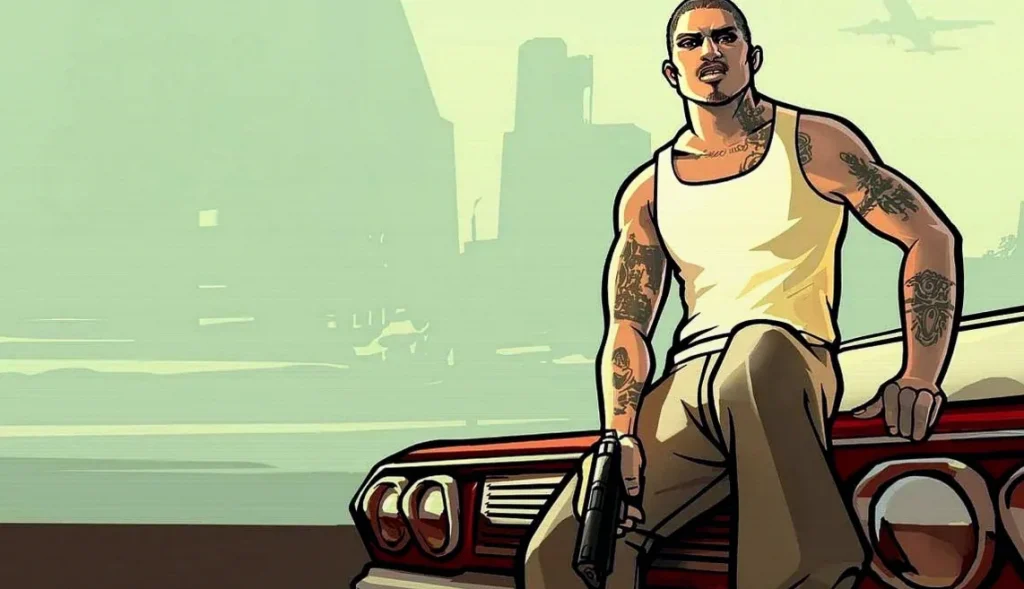
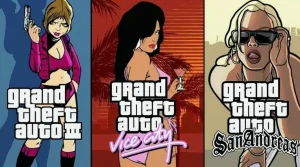
With the hype around GTA 6 still dominating gaming conversations, it’s worth revisiting one of the most intense waits in open-world history: Grand Theft Auto: San Andreas. Over a decade after its release, the demand for the next entry still feels comparable—but the original buildup for San Andreas was something else entirely, shaped by an early-2000s gaming media ecosystem that had no YouTube, no widespread leaks, and far fewer channels for constant updates.
Announcement and early marketing push
Rockstar officially revealed the next GTA in March 2004, with a release planned before the end of that same year. Even so, the anticipation didn’t really begin with the announcement—it was already in motion. Industry press coverage and gaming magazines had been speculating for some time about what setting the next game would use.
One major thread in those discussions centered on the possibility of a Las Vegas-style direction, helped by Take-Two’s earlier moves. The publisher still holds rights related to the franchise, and in the months leading up to Rockstar’s reveal it had filed multiple trademarks tied to potential GTA names, including “GTA San Andreas” alongside “GTA Sin City,” “GTA Bogota,” and “GTA Tokyo.”
First gameplay looks and why expectations exploded
The earliest concrete visuals arrived a couple of months after the official reveal. In May 2004—during E3 in Los Angeles—Rockstar shared initial glimpses of San Andreas’ environments. From there, the marketing momentum built rapidly, with the company positioning the project as its most ambitious GTA to date.
That messaging landed at exactly the right moment for players: the idea of exploring three distinct cities, plus a large rural area, turned speculation into expectation. When San Andreas launched, it delivered results that were unprecedented for the medium at the time—selling 4.5 million copies in its first week.
Where it stacked up versus Vice City
The first-week performance also highlighted just how strong the early demand was compared to the franchise’s immediate predecessor. In its initial seven days, Vice City sold a little over 2 million copies—meaning San Andreas moved more than 50% higher in the same timeframe.
What made the hype feel different back then
Beyond setting and marketing, the buildup was fueled by the scale of technical change between GTA entries during that era. Players expected not just a new map, but a noticeably different experience. The game’s pitch included a massive world, a wide range of side activities, and a character system for CJ where appearance could change based on lifestyle choices.
What comes next
San Andreas remains a reference point for how a GTA launch can capture attention—starting with speculation, then accelerating through early visuals, and finally turning those expectations into record-breaking sales. With the franchise’s current era driven by constant online updates, the original San Andreas hype stands out as a rare example of anticipation growing without today’s leak-driven information cycle.
- Rockstar officially announced Grand Theft Auto: San Andreas in March 2004
- Release was set for before the end of 2004
- Take-Two had previously filed multiple related trademarks, including GTA San Andreas, GTA Sin City, GTA Bogota, and GTA Tokyo
- Rockstar shared early San Andreas environment glimpses in May 2004 during E3 in Los Angeles
- On launch, the game sold 4.5 million copies in its first week
- That figure was more than 50% higher than Vice City’s first-week sales (a little over 2 million)