The Witcher 3 Dev Reveals Villagers Bug That Could Make Mothers Drop Babies
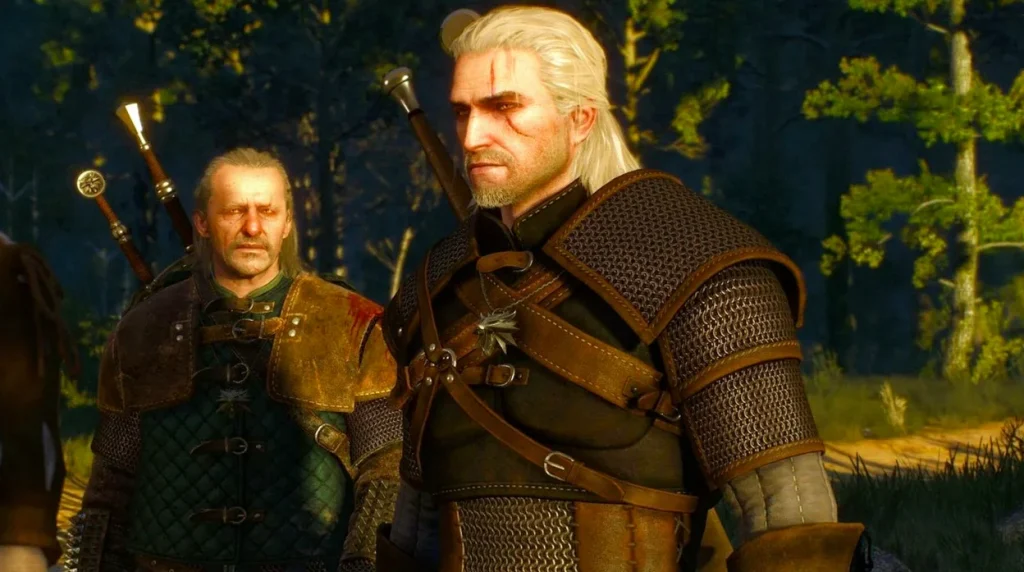
Over 11 years after The Witcher 3: Wild Hunt launched, CD Projekt Red developers are still digging into the design problems they had to solve during production. In a recent discussion for Edge, Philipp Weber recalled one especially bizarre bug: in-game villagers could react to danger in a way that didn’t just look wrong—it could make mothers drop the babies they were holding.
Quick facts
- Philipp Weber (CD Projekt Red) discussed challenges from The Witcher 3: Wild Hunt development in an interview for Edge.
- Smaller rural settlements made NPC behavior more noticeable to players.
- NPC panic behavior was triggered like other open-world games, but the system initially didn’t account for what an NPC was holding.
- That led to women who ran in fear dropping their infants for several weeks during production.
- Weber later described how NPCs are guided by “points of interest” rather than fixed routes.
- He said a similar village setup would likely be faster today—around two hours for a village with eight houses—if built again now.
The Witcher 3 didn’t just need believable NPCs—it needed believable reactions, especially in small towns and villages where players can easily look closely at individual characters. Weber noted that rural areas were a key focus, which made it simpler for players to get curious about whether inhabitants felt “real” or were just background filler. In practice, that player attention created plenty of pressure during development.
To make NPCs feel more alive, the studio targeted things like simulating a day-and-night cycle. However, Weber said the team didn’t put the same level of care into how characters should respond to what the player does. That gap mattered once the game’s civilian panic logic kicked in.
Weber compared the intended behavior to what many open-world games do when the player waves a weapon around near civilians: people panic and run. In The Witcher 3, villagers were programmed to behave similarly—but initially the system treated the NPC as a generic person rather than someone whose carried item could be relevant to the outcome. The result was an absurd edge case: frightened mothers would flee while holding babies, but the logic didn’t recognize that they were carrying infants.
For “a few weeks,” Weber said, women simply dropped their children—left and right—whenever panic triggered. It wasn’t deliberate, and it was corrected during production once the issue came to light.
How CDPR built NPC behavior
Weber also explained the overall approach the studio used for villagers. Rather than assigning most NPCs a single fixed route, the team provided them with available points of interest. NPCs would then decide what to do next, based on what activity they finished and what options were nearby.
As an example, he described the port in Novigrad: for 50 sailors, the developers created 200 possible points of interest. Even if all 50 sailors were active at the same time, they still wouldn’t necessarily converge on the same spots, helping the world feel less scripted and more varied.
Finally, Weber said that if the studio had to build a comparable village today—specifically one with eight houses—he believes it could be prepared in about two hours, citing the experience the team has gained over the years. For players who remember the game’s early focus on atmosphere, it also explains why small details, like what NPCs are holding during panic, ended up being critical to making the world feel credible.