
Id Software Layoffs: Doom Studio Confirms Cuts Amid Xbox-Wide Reduction
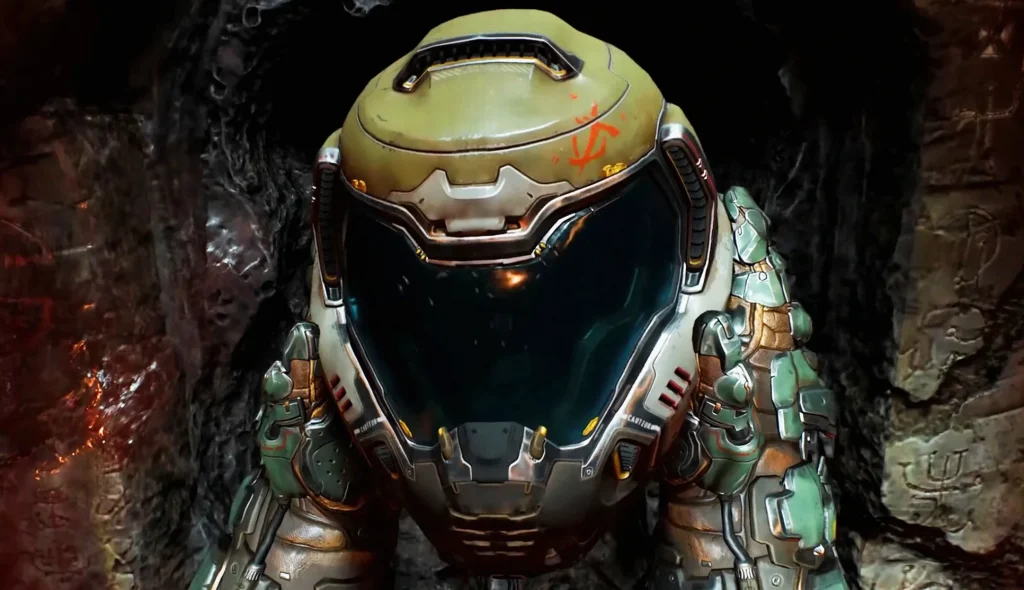
This week brought major layoffs to Id Software, the studio behind Doom, Wolfenstein 3D, and Quake, as part of a broader reduction announced by Xbox. A Texas WARN notice reported 136 affected roles at Id—reportedly more than half of the team—prompting immediate questions about whether the studio can keep building the games and technology it’s known for.
Layoffs hit Id Software as part of wider Xbox cuts
Microsoft’s job reductions reportedly impacted 2.1% of its global workforce, while Xbox announced 3,200 cuts. Within that picture, Id Software’s Texas WARN notice put the studio’s number of impacted employees at 136. The scale of the notice quickly fueled concern that the team responsible for Id’s output—and the underlying tech that powers it—might be significantly weakened.
Id says its working crew remains large enough
In response to the uncertainty, Id Software posted a message on its social channels aimed at clarifying the studio’s current capacity. The statement thanked supporters and emphasized that the changes were distributed across teams rather than concentrated in a way that would halt production. It also claimed the studio still has the staff it needs to continue building both games and technology.
The update further addressed headcount directly, saying Id’s current team is “about the same size” as it was during development of the 2016 Doom reboot. Id also reiterated a long-running internal structure: a “flat” studio model where “everyone is a maker,” adding that the philosophy will remain in place.
- 136 roles were listed in a Texas WARN notice tied to the layoffs
- Id’s message says the studio still has “the crew we need” to build its games and tech
- The studio claims its current team size is “about the same” as during the 2016 Doom reboot
- Id says the layoffs were spread across teams, not isolated to a single group
Why Id’s engine legacy matters to PC players
Id’s influence extends well beyond its own releases. The studio’s Id Tech engines have been used by other developers, including MachineGames and Tango Gameworks. One cited example is Valve’s GoldSrc engine for Half-Life, described as a heavily modified version of the earlier Quake engine developed through work by Id co-founder John Carmack.
That engineering lineage is part of why the Id story is significant for the broader PC gaming ecosystem: it helped shape the technical foundation for a Steam-centered era where fast iteration, performance tuning, and engine flexibility matter to players. The studio’s recent work continues this focus, with Doom: The Dark Ages referenced as its most demanding project yet, paired with an emphasis on optimization and smooth PC performance.
What comes next: ongoing development and QuakeCon
Id’s message ends with a commitment to keep supporting impacted team members and to continue building. The studio said it will carry on making the games and technology that have defined it for the past 35 years. It also looked ahead to QuakeCon, noting viewers should expect to see the team there in August.
For players, the practical question now is whether the studio’s ability to maintain output—and the performance-first standards tied to its engines—will hold up under the new staffing reality. Id’s statements attempt to address that directly, but the layoffs themselves remain a major disruption for those affected, with impact that won’t be erased by assurances alone.