Major Publishers Eye Digital-Only Savings as AAA Prices Hit $79.99
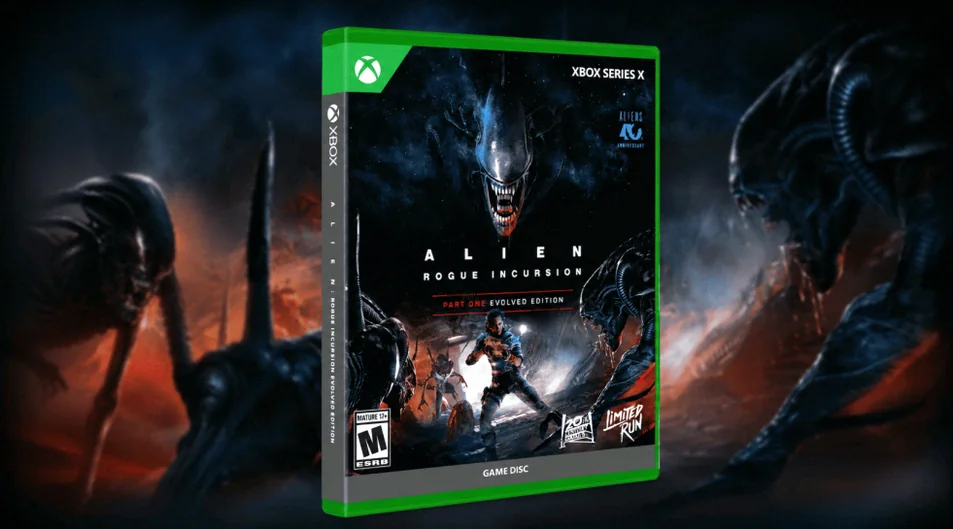
The push toward digital game sales isn’t just about convenience—major publishers are increasingly drawn to it because it can materially cut per-unit costs on top of shifting how pricing, promotions, and even the used game market work. With many AAA releases priced at $79.99, the savings involved are large enough to explain why the industry is leaning harder away from physical distribution.
Key takeaways
- Physical production and retail-related costs are estimated at roughly 15%–20% of a game’s recommended price.
- For a $79.99 AAA release, that translates to about $12–$16 saved per copy when selling digitally.
- At a hypothetical 10 million physical units, those costs could add up to as much as $160 million.
- Digital distribution gives publishers tighter control over pricing, promotions, and reduces the impact of the second-hand market.
- Licenses tied to accounts can limit options like lending, trading, and buying used copies.
How digital sales shrink the price tag per unit
Making and selling games as physical products comes with a cluster of costs that largely disappear—or drop sharply—when purchases move fully online. The reported estimate puts physical-related expenses at around 15% to 20% of a title’s recommended price. Applied to a $79.99 release, that implies approximately $12 to $16 in costs per copy.
Those expenses include manufacturing the disc, producing packaging and materials, transporting and distributing the product to retailers, and margins tied to store operations, alongside other costs tied to physical commercialization.
While $12–$16 per copy can seem modest in isolation, the numbers scale quickly. If a major release were sold as 10 million physical units, the physical cost portion could reach up to $160 million—illustrating why digital distribution is economically attractive for large publishers.
More control—and less room for used games
Digital isn’t presented as pure profit by default, since digital models still have their own costs and revenue-sharing arrangements. Still, the shift changes the business dynamics in a way that benefits publishers, especially through greater control over game distribution, pricing, and promotional activity.
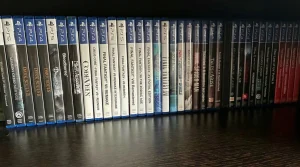
The other major difference is how it affects the second-hand market. With physical media, players can lend games, sell or trade them, and buy used copies for less. Under account-linked licensing that persists digitally, many of those possibilities largely go away.
The trend is already visible across console ecosystems, with both Xbox and PlayStation increasing the weight of their digital storefronts over time and adding more systems that don’t include disc drives. Microsoft has also explored ways to connect physical libraries to digital ecosystems—an approach framed as potentially more important in the coming years.
In practice, the physical format is therefore competing on two fronts: against the convenience of downloading at home, and against a digital model that can be significantly more profitable for the parties selling and distributing games.