Onimusha: Way of the Sword Hands-On Shows Capcom’s Comeback Focused on Mastery
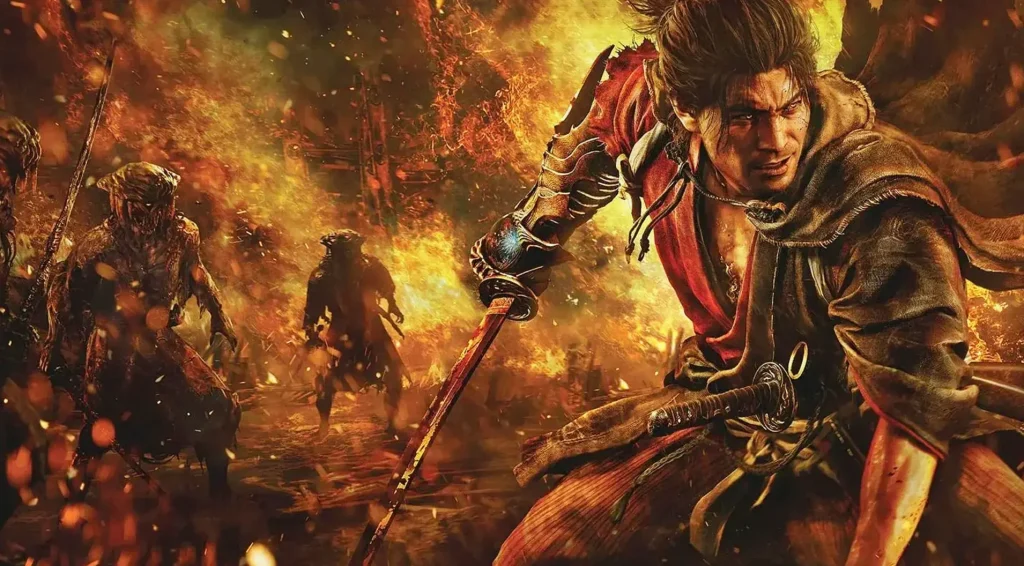
Capcom’s next Onimusha is getting a lot of attention for one simple reason: players haven’t had a new mainline entry in the series in about 20 years. After a deep hands-on session of more than three hours, including time with the PS5 build and a Nintendo Switch 2 version, the biggest takeaway is that Onimusha: Way of the Sword is leaning harder into combat mastery, exploration, and systems that reward players who look around instead of rushing objectives.
Release timing and where you can play it first
With launch less than a month away, Capcom’s latest Onimusha is close enough that preview sessions have already been used to validate key gameplay changes. The hands-on described here includes the main demo on PS5 and a separate test of the Nintendo Switch 2 build in portable mode.
| Platform | Status in preview | Date / window mentioned |
|---|---|---|
| PS5 | Played via main demo segment | Launch is less than one month away |
| Nintendo Switch 2 | Playable preview (training area), portable mode only | Launch is less than one month away |
What changed versus the public demo (and why it matters)
The session started right after the combat against Sasaki Ganryu, and testers noted improvements immediately compared with the earlier public demo. One small but practical change: by default, blocking is mapped to L1 instead of the square button. While the demo allowed remapping, the preview player said L1 blocking feels more natural with the controller setup.
Difficulty was a major point of feedback for the demo being too easy, but in this deeper run the game felt more challenging throughout. Rather than breezing through encounters, the preview player frequently leaned on healing items to stay alive.
Combat tools: Oni bow, scenario use, and sharper boss reads
Progressing through the preview unlocked the Oni bow, a long-range weapon class seen across Onimusha games but handled differently here. Instead of worrying about ammunition, the player keeps R2 held to draw it and uses a targeting reticle, while the arrows are described as effectively infinite. The bow is especially useful against flying enemies and Genma groups below you, and it can also be used to hit environmental elements to clear multiple foes and solve environmental puzzles from range.
Daidara: the first boss and a lesson in environment interaction
The first boss reached in this preview is Daidara, described as an armored Genma wielding a huge mace. This fight highlighted one of the game’s most interesting mechanics: the environment is destructible and can be leveraged. Daidara can smash parts of the arena, and the preview player found that the boss’s oversized weapon can get stuck on wooden panels scattered around the combat area, creating brief openings to strike safely. Attacking armored sections can also break the armor to deal more damage.
The fight reinforced that Onimusha: Way of the Sword isn’t only about parries and dodges—it’s also about positioning to create advantage windows against bosses.
Exploration opens up: missions in any order, routes, and optional fights
After Daidara, the game moved into an outdoor area that still isn’t an open world, but it is described as a medium-sized map with multiple objectives. Players can complete goals in any order, and a light can guide them toward targets. The design emphasizes varied routes: interior sections, rooftops, shortcuts that must be unlocked, and other pathway variations.
The preview player said this shift increases the weight of exploration. Instead of only following marked objectives, it’s possible to search for materials and other items, and Genma encounters can be ignored or approached differently. The environment is repeatedly used as part of combat—one example given is using a cart to plow through enemies.
There are also moments where you find villagers in trouble. Helping them leads to offerings, which are described as materials required for upgrading equipment. In this more open segment, additional systems—previously unseen—were unlocked.
Build and progression: gear upgrades, amulets, costumes, and an ability tree
Musashi can improve multiple aspects of his kit using red souls and different materials, including clothing (defense), the katana (attack), and the Oni gauntlet (soul absorption speed). Amulets can also be equipped for various benefits and improved using the same offering materials. The preview session also unlocked new outfits and the ability to change Musashi’s clothing and cape.
When enough materials are available to upgrade something, the game displays an on-screen message to inform the player.
Beyond gear, Onimusha: Way of the Sword includes a skills tree. The preview player pointed out that actions demonstrated in the demo—such as a deflect input (L1 + X) and an “fiery” mode—are actually unlockable skills. This structure is one reason the combat felt more demanding from the start, since mastery and upgrades appear tightly linked.
New techniques tied to blocking and Issen (a signature Onimusha move) can also be learned.
More Oni weapons and scenario-driven transformations
Exploration led to unlocking a new Oni armament. Oni weapons function like magic in earlier Onimusha entries. In this case, the weapon is described as a double-edged sword that creates spinning whirl effects similar to the wind weapon from earlier games. The preview also emphasized scenario interaction: using the attack near a torch transforms it into a damaging fire tornado.
Enemy mechanics: Bazuu counterplay
During open-area traversal, the preview player encountered Bazuu, described as spiked lizards that roll at high speed. The key mechanic is timing: blocking their attack at the right moment sends them flying into other Genma “like a spinning top.” That makes Bazuu both dangerous and useful during fights.
Rasho-gan and Byakue: two bosses with different pressure points
The next major boss is Rasho-gan, a Genma disguised as a god who responds to villagers’ prayers in disturbing ways. The fight is visually striking, with many arms covering its body, and the combat was described as one of the session’s highlights. It offers a large move set that encourages using Musashi’s full toolkit, including parries, dodges, and the Oni bow.
Rasho-gan’s difficulty is presented as demanding without being “unbeatable”—the preview player expected to die early attempts, but once the patterns were learned it could be defeated with fewer issues, while still remaining intense.
Defeating Rasho-gan unlocks a new ability that changes Musashi’s arms to have an Onimusha-like appearance. Activated by pressing triangle and circle together, it’s said to work both in and out of combat. During fights it can break enemy defenses, especially shields and overprotected targets, and outside combat it can destroy demonic barriers that block access to certain areas. The preview suggests more of these abilities will be found over time, encouraging revisiting earlier paths.
That ability allowed entry into a crimson miasma section where players must find stairs to reach rooftops and regain air quickly. Combat inside the mist was framed as a bad idea.
The final boss reached in the session is Byakue. Unlike earlier enemies, it’s described as extremely fast with unpredictable attacks. The preview player cleared it on the first try while critically low on health and after using all healing items, calling it an intense end to the run.
Nintendo Switch 2 preview: performance options, portable mode only, and motion controls
After completing the PS5 demo run, the session shifted to the Nintendo Switch 2 version, played in a training area where players can practice mechanics and rematch bosses already defeated. The preview of this version was limited to portable mode.
The game was described as looking strong despite necessary compromises to fit the hybrid hardware. A notable feature is that the Switch 2 build includes two visual modes: one unlocks the frame rate, while the other locks performance to 30 frames per second. The preview player felt more comfortable with the unlocked option, having spent the PS5 session at 60 fps, but they speculated that open areas might affect performance once the final build is played across different formats (including TV mode).
Controls are also flexible. The Switch 2 version offers motion controls using the right Joy-Con: moving it in different directions supports fast and strong attacks, and the giroscope is used to aim the Oni bow. The preview player called it not the most precise way to handle the katana, but still appreciated the additional options.
Musashi’s presentation: facial tech, animation variety, and a couple of concerns
Two major creative points stood out in the preview: Musashi’s animations and facial expressiveness. The character has a very large number of animations depending on enemy positioning, including the ability to block attacks coming from behind. Facial gestures were described as highly convincing, with details like sweat appearing when Musashi is under strain.
The preview also tied Musashi’s facial design to Toshiro Mifune, noting that the character is based on the legendary Japanese actor.
Musashi’s personality was described as charismatic—confident, a bit cheeky, and humorous—while still being noble and protective of innocents. The preview player also acknowledged the challenge of filling a protagonist role in a series like Onimusha and said Musashi seems positioned to land well with fans.
The main visual concern comes from the environments: they were described as too gray and muted, giving them a somewhat dull look that doesn’t fully match the potential of a feudal Japan setting filled with samurai, demons, and magic.
With launch less than a month away, this preview suggests Onimusha: Way of the Sword is shaping up to reward players who engage with its mechanics—using the environment, learning boss patterns, upgrading systems, and exploring for resources—while also leaving some open questions for the final build’s performance and visual punch across every mode.