PS5 PC Emulation Crosses Milestone as Open-Source Vulkan Render Improves
PS5 emulation on PC has moved from early “it even boots” experiments to genuinely playable 3D rendering, with multiple teams pushing fixes in an open-source race. One emulator in particular is now running commercial 3D titles well enough to clear key technical hurdles—while another project is rapidly improving game boot flow through renderer and Vulkan work.
Key takeaways
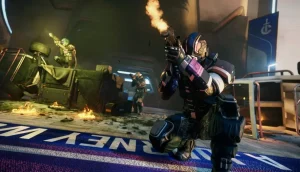
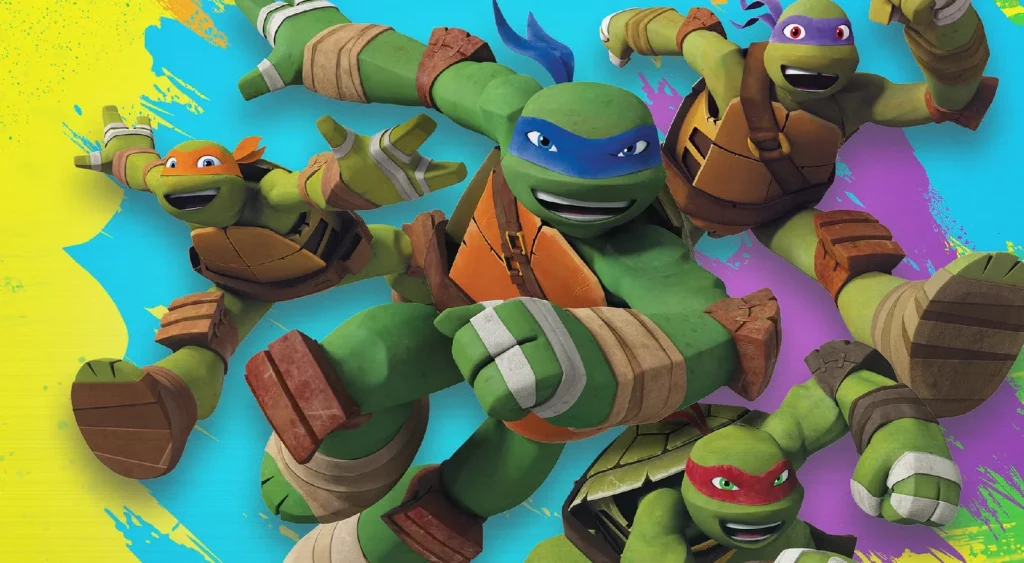
- Kyty has reached “playable” status for 3D games including XIII and Teenage Mutant Ninja Turtles: Wrath of the Mutants.
- XIII and TMNT are currently reported to run around 20–30fps, with TMNT requiring a restart after a crash on first launch.
- Texture and lighting are not fully correct for XIII, even when performance is workable.
- SharpEMU is focused on renderer optimization and Vulkan corrections, including fixing a problem that blocks Astro Bot from reaching gameplay.
- SharpEMU recently reached Astro Bot’s title screen, with no visuals yet but audio working.
Kyty pushes PS5 3D emulation toward real gameplay
Not long ago, PS5 emulation progress was still measured in short video clips that ended at black screens—an early example involved Demon’s Souls Remake launching to black. That baseline has shifted as competing open-source efforts continue to close compatibility gaps.
Kyty is now reported to run real-time 3D graphics for multiple games. XIII and Teenage Mutant Ninja Turtles: Wrath of the Mutants: Wrath of the Mutants can be played, representing a major step forward compared with the earlier “black screen” stage.
There are still clear caveats. Performance is described at roughly 20–30 frames per second. Teenage Mutant Ninja Turtles: Wrath of the Mutants also reportedly crashes on the first launch attempt and then needs a restart to keep running without further crashes.
Visual correctness remains incomplete as well. For XIII, textures and lighting are not rendered properly, and performance stutters persist alongside those graphical issues.
Emulation timeline compressed compared with earlier PS4 progress
While “playable” is not the same as “complete parity,” the current momentum is being measured against what happened during PS4 emulation improvements—especially the pace of progress seen with Bloodborne.
Earlier PS4 emulation reportedly started with limited functionality: in July 2024, only the main title would display. By September, Bloodborne was playable end-to-end, though it still lacked some textures and included distracting errors. Then, by January 2025, it reached start-to-finish play in native 4K with unlocked 60fps—surpassing the performance characteristics of its original console version.
Kyty’s ability to render 3D gameplay in a working state is being framed as a sign that PS5 emulation is compressing that same kind of improvement window. In other words, the July-to-September development arc associated with the earlier Bloodborne progress is said to have been compressed into only a few weeks for these PS5-focused strides.
SharpEMU targets Astro Bot boot and Vulkan stability
On the other side of the emulation effort, SharpEMU is working on renderer optimizations and Vulkan corrections. A central objective is resolving a problem that prevents Astro Bot from reaching gameplay—an improvement that could also raise compatibility for other PS5 titles.
Progress has reportedly been rapid: the team has reached Astro Bot’s title screen. At the moment, there are no visuals, but music can be heard—an early but meaningful milestone that indicates the emulator is getting farther into the game’s initialization than before.
What comes next for PS5 emulation?
It’s still too early to predict what final PS5 emulation parity will look like, but the stated trajectory is strongly optimistic. The near-term milestones—playable 3D titles in Kyty and title-screen reachability for Astro Bot in SharpEMU—suggest the field is accelerating rather than stalling.
One expectation highlighted is that, within months, more flagship PlayStation releases could become usable on PC at higher fidelity. The competition between projects is also presented as the reason progress has accelerated since the start of July, with each team’s fixes building momentum toward full game functionality.